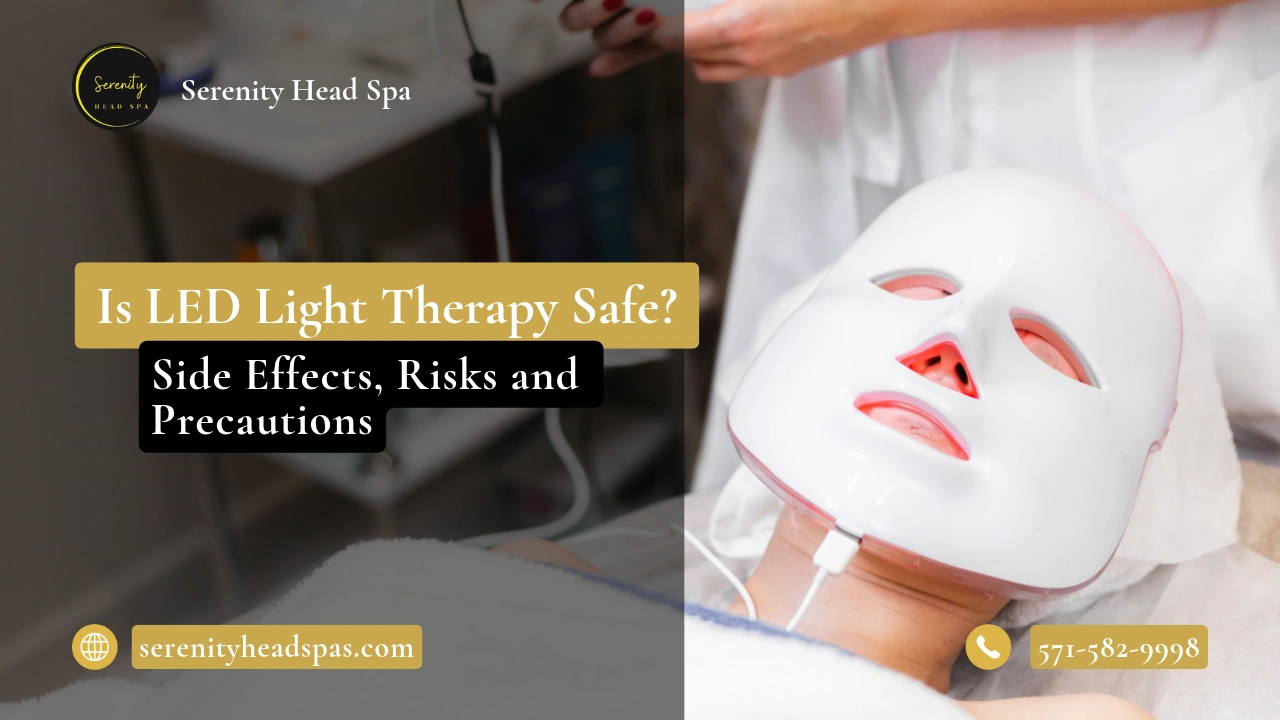
Want to know what you’re signing up for before a light facial? Good call. Which brings us to the big one: is LED light therapy safe? Experts generally rate it as low risk, as long as it’s done properly. That said, some people shouldn’t use it, and now and then it causes a reaction nobody wanted. The device, how it’s meant to be used, the setting, and your health all feed into that.
In this guide, you’ll find the side effects to watch for and what to do before a session. We’ll also get into eye safety, light sensitivity, home devices versus spa treatments, and the signs that mean you should see a doctor.
Is LED Light Therapy Safe?
Here’s the honest answer. LED light therapy is generally seen as low risk, and Cleveland Clinic notes that it doesn’t use ultraviolet (UV) light. That’s a real point in its favor. Still, no UV doesn’t mean every device and every protocol is free of risk.
So is red light therapy safe? The American Academy of Dermatology (AAD) says that in the short term, “it appears to be safe.” It also points out that some people get temporary mild pain or irritated skin, and that the long-term effects on skin aren’t known. Cleveland Clinic says the same about long-term safety. For the basics, see our guide on how red light therapy works.
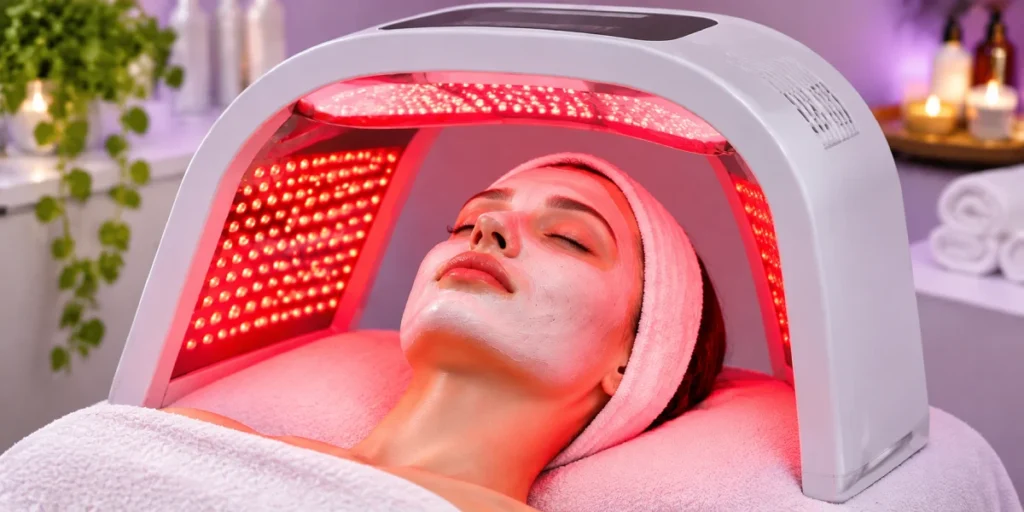
Two things carry a lot of weight here. The first is using a device correctly, at the right distance and for the right length of time. The second is you. That means your skin type, any health issues, the medicines you take, and what you hope to get out of it.
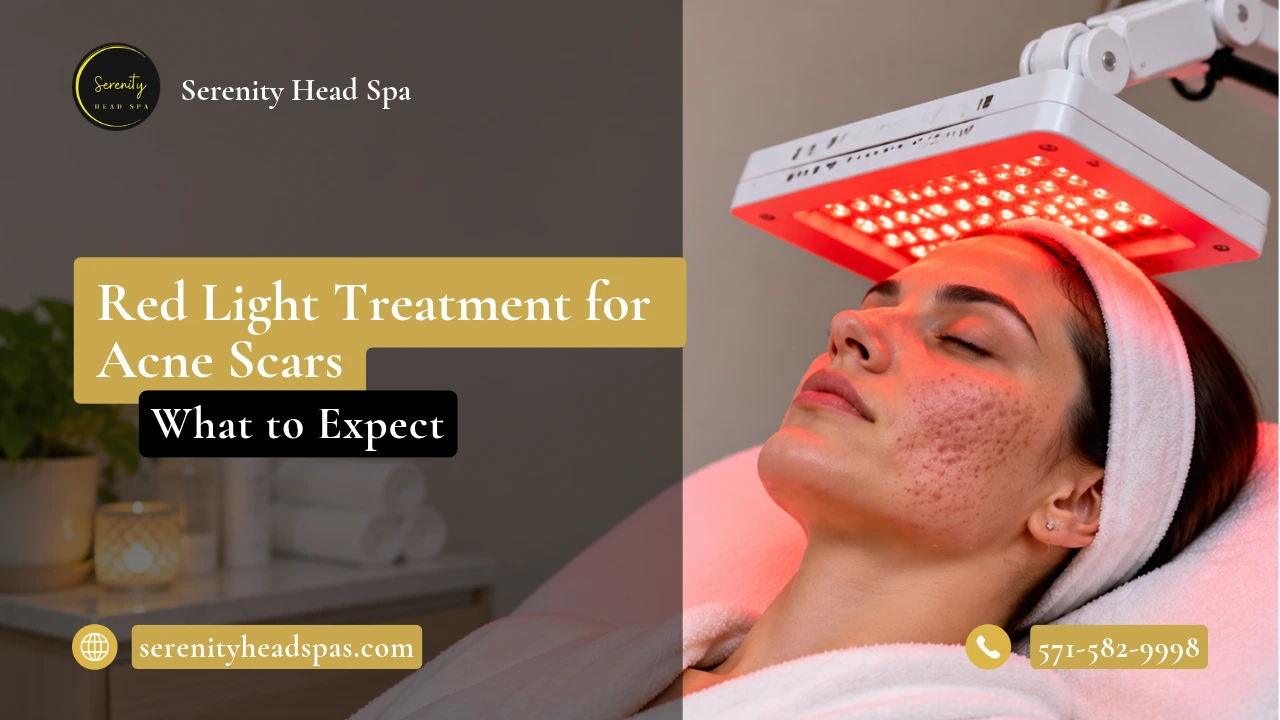
Red light is also being studied for acne and scarring, although results vary depending on the skin concern and treatment approach. Our red light treatment for acne scars page discusses this use in more detail.
Our article on red, blue and green light therapy explains how the colors differ.
What Are the Possible Side Effects of LED Light Therapy?
Most people get through a session without any trouble. But reactions can happen. Many of the red light therapy side effects you’ll read about are minor and fade fast. A few are rarer and worth taking seriously. Let’s go through them.
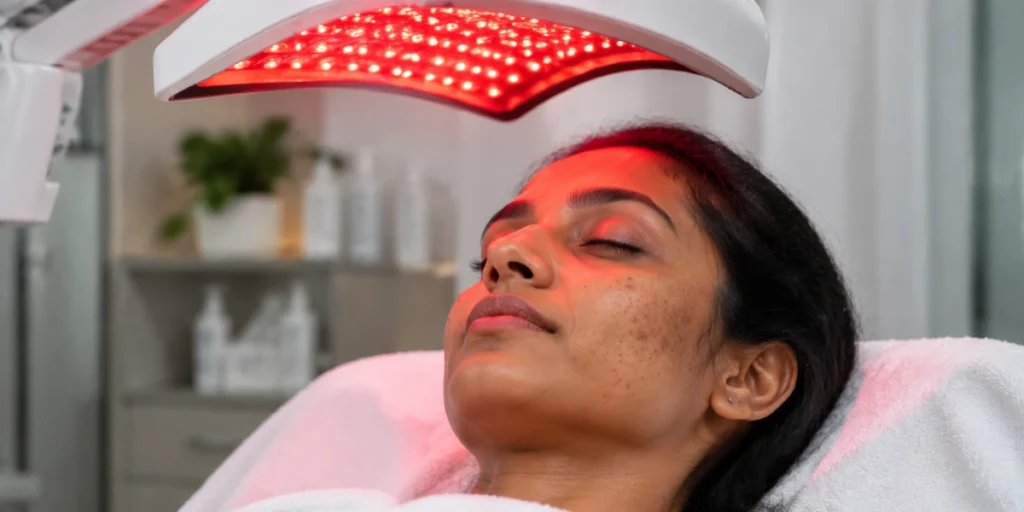
Temporary Redness or Irritation
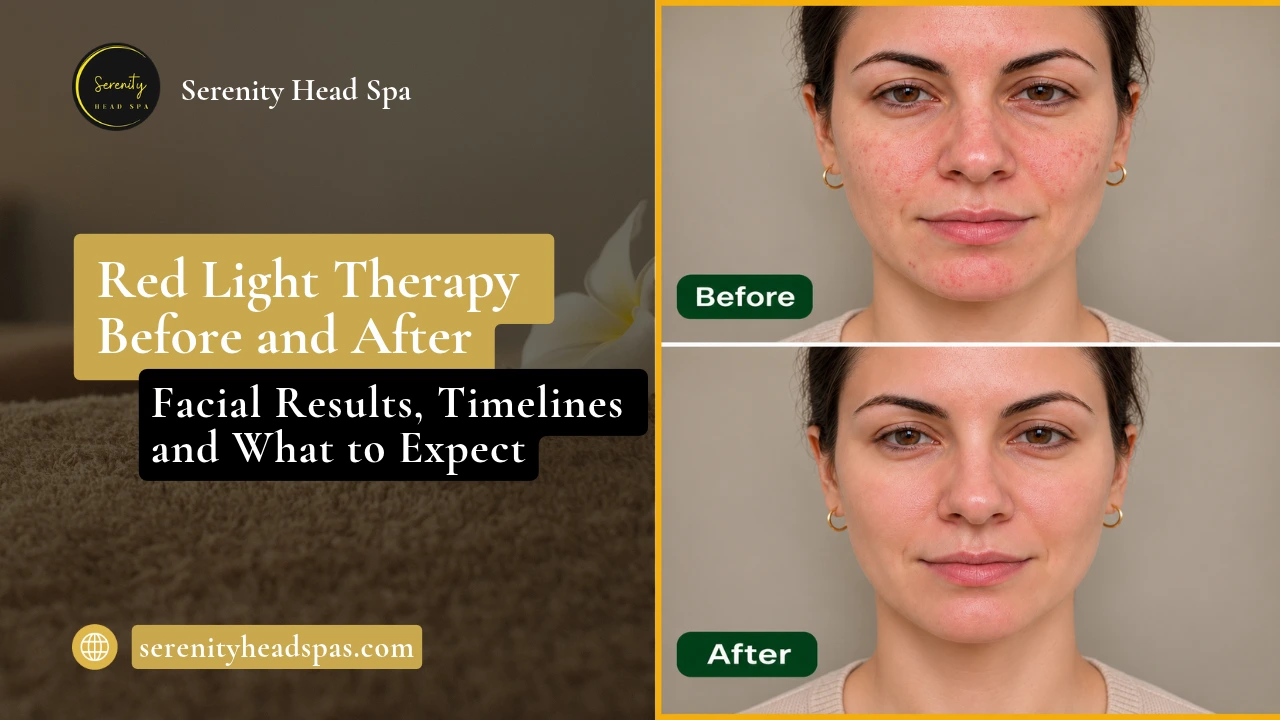
After a session, your skin might look a bit pink, or you might notice some skin irritation. That’s on the AAD’s list of possible effects, along with brief, mild pain. There’s no fixed time for it to fade, since everyone’s skin is different. Still red or sore later on? Let your provider know.
Pain, Rash or Inflammation
Rare as they are, inflammation, rash, redness, and pain do show up on Cleveland Clinic’s list of LED reactions. Think of these as the less usual side effects of red light therapy and other LED settings. If a rash spreads or the pain gets worse, don’t write it off. Stop the treatment and have it looked at.
Eye Discomfort or Injury
LED light can be very bright. If a device gets misused, Cleveland Clinic says unprotected eyes could be harmed. The AAD’s advice is to put on eye protection whenever the directions say so, and to skip the sunglasses, since they don’t replace proper goggles. Each device has its own rules, so stick to those.
Pigmentation Changes
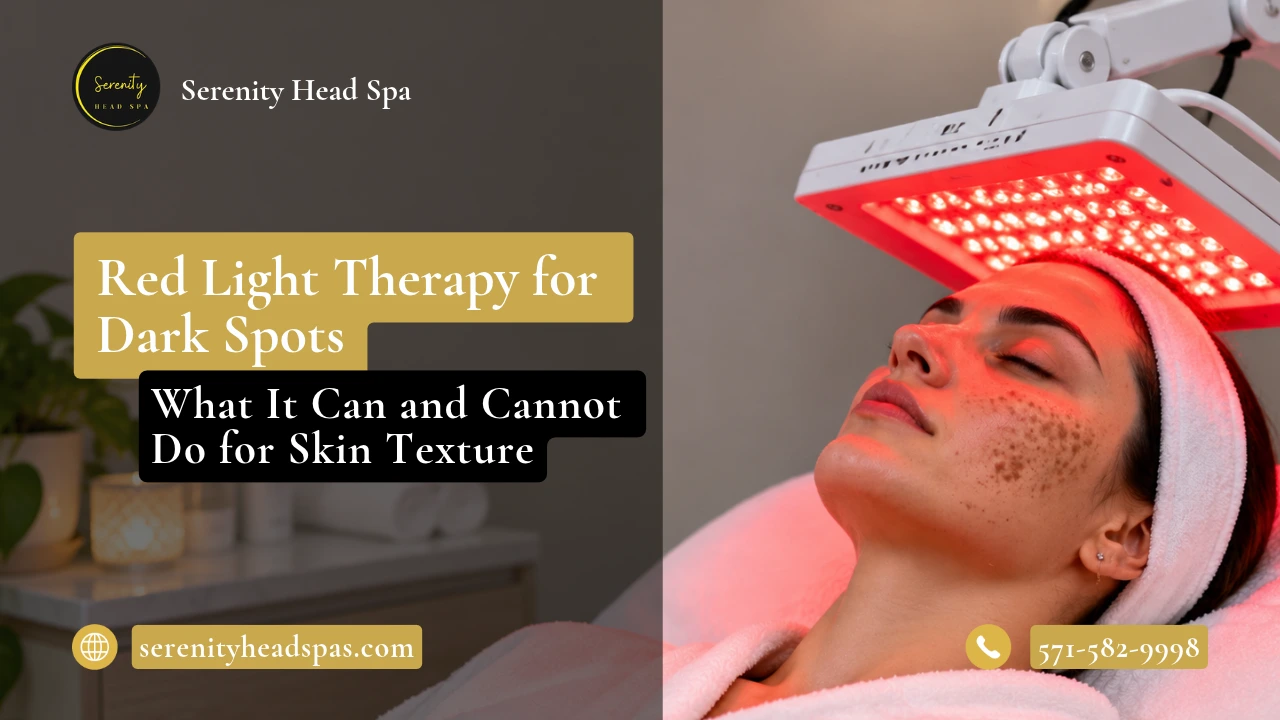
Visible light can affect pigment in some people. The AAD explains that darker skin tones react more to visible light, including red light, and this can cause hyperpigmentation. Not everyone ends up with dark spots, though. It does mean some people need to be more careful.
Long-Term Effects
Short-term studies haven’t turned up major harm, and that’s reassuring. But it isn’t the same as knowing every long-term risk. Both the AAD and Cleveland Clinic say long-term effects aren’t fully known yet. So it makes sense to stay informed, without assuming LED is dangerous.
Who Should Seek Advice Before LED Light Therapy?
LED isn’t right for everyone. In certain cases, it’s smart to check with your doctor or dermatologist first. Does anything on this list sound like you? Then get advice before booking:
- Light-sensitive conditions
- Light-sensitizing medications
- Past reactions to light treatments
- Eye conditions
- Ongoing skin problems
- New or changing spots
Lupus, for example, is a light-sensitive condition the AAD says can flare with red light. Certain drugs raise your skin’s sensitivity to light as well. Isotretinoin and lithium are two that Cleveland Clinic mentions. Had a bad reaction to a light treatment in the past? Say so. Cleveland Clinic also lists a history of skin cancer and inherited eye diseases as reasons LED may not be appropriate.
A skin issue that keeps hanging around, or a spot that’s new, strange-looking, or changing, needs a doctor’s opinion before any beauty treatment. One more thing. Never quit a prescribed medicine just so you can have a facial. Talk to your provider and your doctor, and follow their lead.
Is LED Light Therapy Safe for Every Skin Tone?
Your skin tone is worth thinking about when you pick any treatment that uses light. As the AAD puts it, darker skin tones are more sensitive to visible light like red light, and some people end up with dark patches. So the AAD suggests that anyone with darker skin check with a dermatologist before trying a red-light device at home.
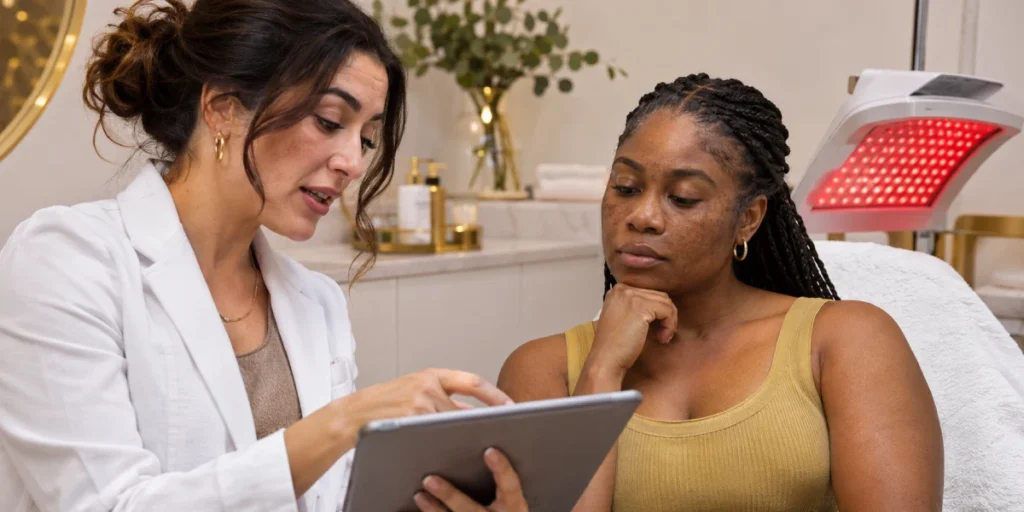
A dermatologist interviewed by the American Medical Association says much the same, noting a higher risk for darker skin. None of this means every LED facial causes dark spots. Nor does it rule out LED for anyone with darker skin. Instead, treat it as a reason to look closely at the setting, the wavelength, how long the exposure lasts, and your skin’s past reactions.
If pigmentation is a concern, our guide to red light therapy for dark spots discusses the topic in more detail. If irritation has left you with dark marks before, mention it before your appointment.
Is Professional LED Light Therapy Different From At-Home Devices?
They can be quite different. The power, specs, directions, and protocols may not match from one kind to the other. Cleveland Clinic says that devices made for home use may be weaker than the ones dermatologists and trained skin professionals use. That doesn’t make one automatically safer than the other.
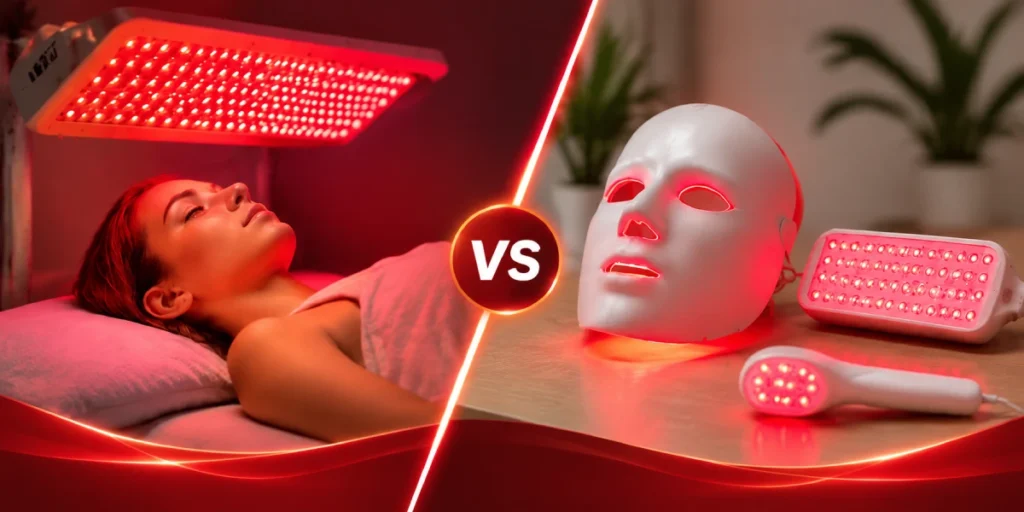
If you use a mask at home, LED facial mask side effects become more likely when it’s used the wrong way. Stick to the instructions word for word. More time under the light won’t speed things up, so don’t lengthen sessions or add extra ones. Follow that device’s own eye protection guidance, too.
A professional service should follow its own protocol for the device it uses. And keep one more thing in mind. FDA clearance tells you a device has been cleared for sale for a certain use. It isn’t proof that the device delivers every result the packaging promises.
What Precautions Should You Take Before an LED Facial?
Some simple prep makes a session go more smoothly. Check off these points before your appointment:
- Share your medications
- Mention skin or eye conditions
- Ask about the device
- Ask about eye protection
- Follow prep instructions
Give your provider a heads-up about the medicines you take, anything your skin is sensitive to, and any reactions you’ve had before. Skin and eye conditions count too, small ones included. Also ask which device they use and what light settings are planned for you.
If you’re considering an LED light therapy facial, find out what eye protection the protocol calls for. Then follow any prep instructions the spa gives you. Keep in mind that what worked for a friend might not work for you. Here at Serenity, you’re welcome to ask your provider about our device and protocol before anything begins.
What Should You Do If You Have a Reaction After LED Light Therapy?
Usually, any reaction is a mild one. But if something concerns you, hold off on your next session, or put your device away, until someone qualified has weighed in. Using a home device? Look up the maker’s safety instructions. Had a session with a provider? Tell them about anything unexpected.
When irritation sticks around or gets worse, a doctor or dermatologist should see it. Serious symptoms, such as bad eye pain or changes to your vision, need urgent medical care. And don’t push on through pain, a rash, or growing swelling just to complete a course of treatment.
Frequently Asked Questions
Short on time? These quick answers cover what people tend to ask us about LED safety. If your question is about your own health, check with your doctor or dermatologist.
Is LED Light Therapy Safe?
Done properly, it’s thought to be low risk for most people. Is it right for you? That comes down to the device, the setting, and your own health.
Is Red Light Therapy Safe?
The AAD says short-term use looks safe if the device is used as directed. Nobody knows the long-term effects yet, though, and some people shouldn’t use it.
What Are the Side Effects of Red Light Therapy?
Temporary mild pain, redness, or irritated skin can happen, but plenty of people get none of these. Less commonly, a rash, inflammation, or pain shows up and gets worse. Get that checked.
What Are the Side Effects of LED Light Therapy?
Usually, they’re small and fade quickly, such as redness or irritation. Warning signs are different. If you notice pain getting worse, a rash, swelling, eye pain, or vision changes, talk to a doctor.
Can LED Facial Masks Cause Side Effects?
They can, mainly when used the wrong way. Wearing one for longer than directed, using it too frequently, or skipping recommended eye protection all make problems more likely.
Who Should Avoid LED Light Therapy?
Anyone with a light-sensitive condition, people taking drugs that increase light sensitivity, and those with a history of skin cancer or certain eye diseases may need to skip it or get a doctor’s input first.
Do You Need Eye Protection During LED Light Therapy?
Do what the device’s directions say. A lot of them require goggles, and according to the AAD, sunglasses won’t do. Since devices vary, check the rules every time.
Can Red Light Therapy Make Pigmentation Worse?
It can in some people. Darker skin tones are more sensitive to visible light, the AAD says, and that may cause dark patches. It won’t happen to everyone, but bring it up before treatment.
Is Professional LED Light Therapy Safer Than an At-Home Device?
Not necessarily. It all depends on the device, the protocol, and how it’s used. A spa sticks to its own protocol, but with a home device, safe use is down to you and the instructions.
What Should You Do If Your Skin Reacts After LED Light Therapy?
Stop for now and get in touch with your provider. If the reaction hangs around or gets worse, see a doctor. Eye pain or vision changes need urgent care.
Is LED Light Therapy Safe for Sensitive Skin?
Sometimes, yes, but it varies from person to person. Share your sensitivity and any past reactions with your provider, and they can help decide if it suits you.
Final Thoughts on LED Light Therapy Safety
For many people, LED light therapy looks safe in the short term when it’s done properly. Still, it doesn’t suit everyone, and there isn’t much long-term evidence yet. So before booking, ask about the device, the protocol, and the precautions. And since no treatment is totally risk-free, tell your provider right away if something doesn’t feel right. If you’d like a light facial with a team that’s happy to answer your questions, explore our Light Therapy Facial and our other facial treatment services.
Have questions about LED facials? Contact Serenity Head Spa in Springfield, VA, or Rockville, MD.