Red, blue, and green are three different light settings you’ll find on some facial LED machines. Red, blue, and green light therapy may sound like a simple choice of colors, but each setting is used for something different, and the science behind each one isn’t equally solid. Trying to settle red light vs. blue light therapy, or figure out what green is even for? Color tells you only part of it. The exact wavelength, the device, and what it’s being used for matter just as much.
In this guide, we stick to skincare. We’ll walk through what each color does, how they stack up, where the research is solid and where it’s thin, and the questions worth asking before you book a facial. And let’s get this out of the way now: there’s no one color that wins for every person or every skin problem.
What Is LED Light Therapy for the Face?
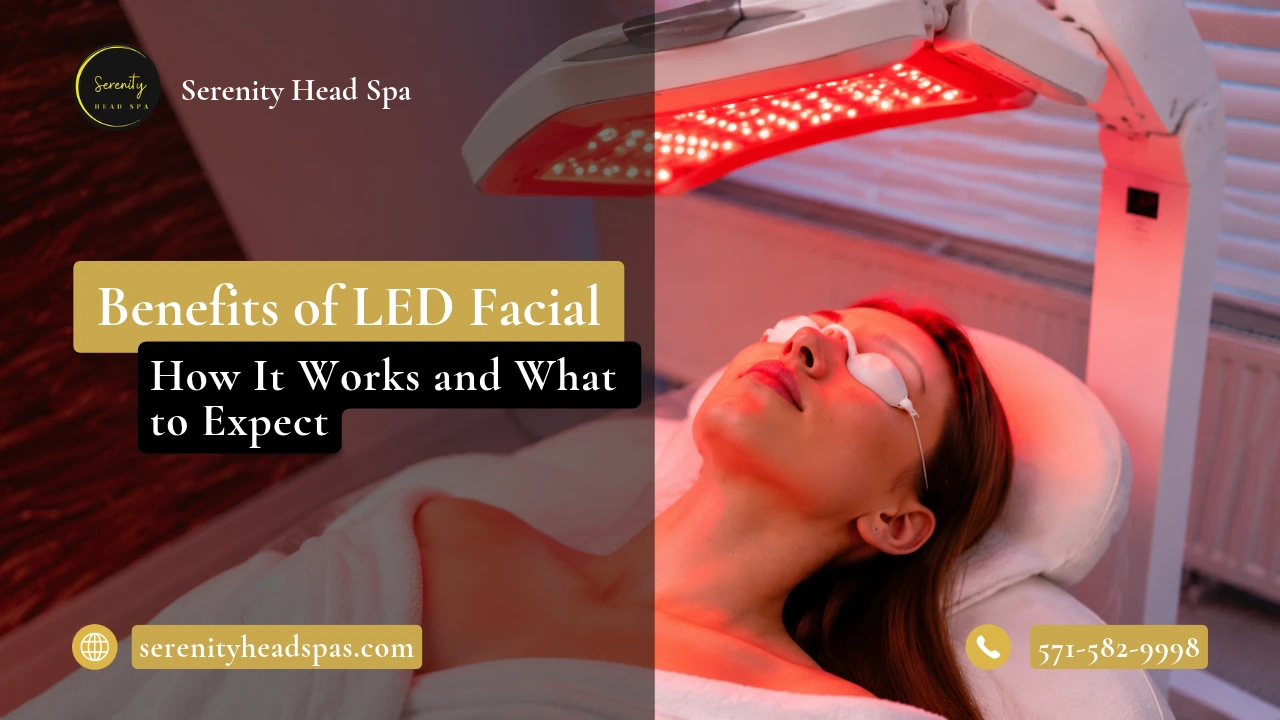
With LED light therapy, tiny bulbs called light-emitting diodes put out light in a narrow band of wavelengths. Flip a facial machine from red to blue to green, and you’re really moving to a new slice of the visible light spectrum. Each range can affect skin in its own way.
The color on the dial is a clue, nothing more. Two red settings on two machines may use slightly different wavelengths, strengths, and session times. So results from a device in a study won’t automatically carry over to the machine at your local spa.
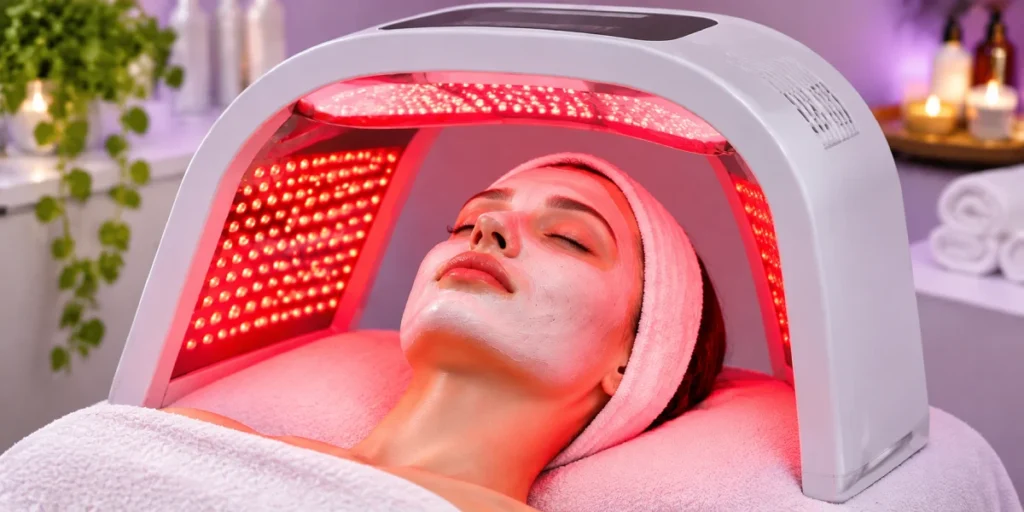
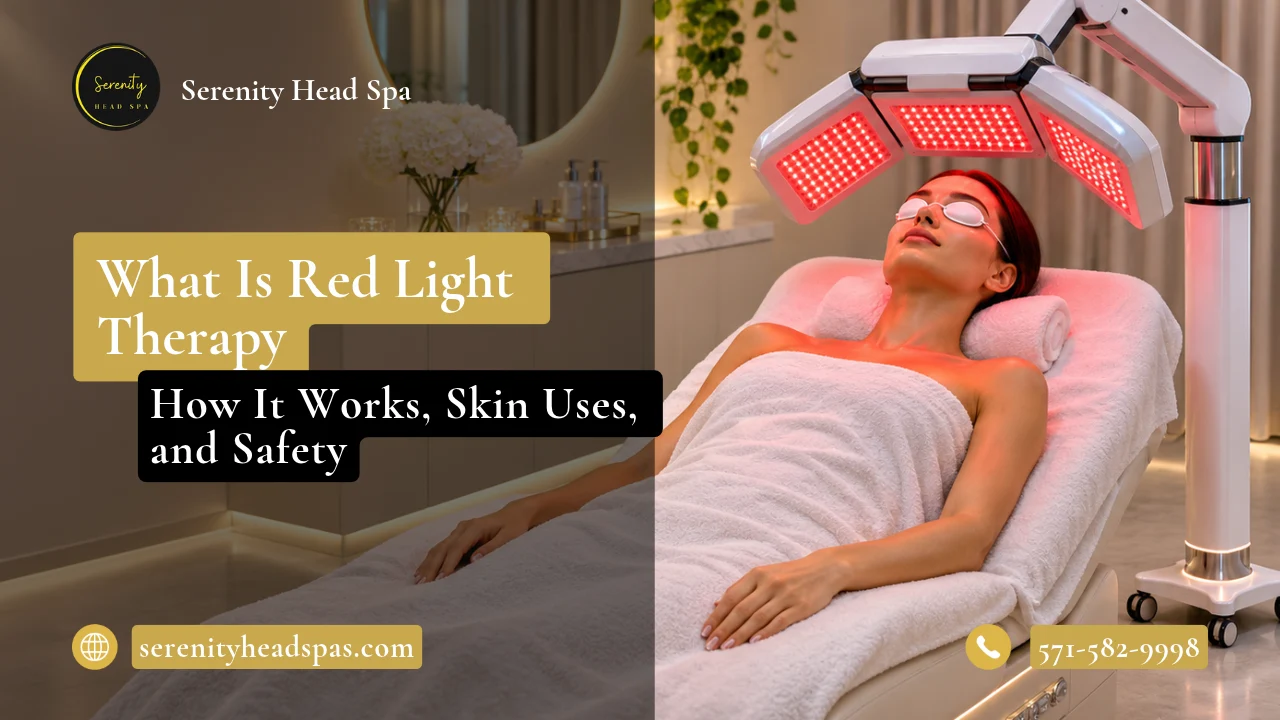
These treatments stick to visible light, so you aren’t getting the UV exposure that comes with a sunny beach day or a tanning bed. They’re also different from laser procedures, which work in another way. New to all this? Start with our guide on what red light therapy is.
Red vs. Blue vs. Green Light Therapy: Key Differences
Most questions about red blue green light therapy for face care come down to which color does what. Here’s the short version of red light vs blue light for face treatments, with green added in. Use it to kick off a chat with your provider. Please don’t use it to choose a color by yourself.
| Light color | Common skincare context | Evidence and limitations | What to know |
|---|---|---|---|
| Red | Research on skin aging and some cosmetic concerns | Findings vary by device, wavelength, and protocol | Don’t expect wrinkle removal, lifting, or guaranteed rejuvenation |
| Blue | Some visible-light treatments for inflamed acne | Not every type of acne responds to light | It won’t clear blackheads, whiteheads, cysts, or nodules |
| Green | Early research on pigmentation and other skin responses | Less established, and results depend heavily on the protocol | Don’t expect dark-spot removal, skin lightening, or even results |
(Note: this table gives general information only and doesn’t replace medical advice. Your skin, and a professional’s look at it, should decide what’s right for you.)
So what’s the main thing to remember about red light vs blue light therapy? These face light therapy colors aren’t swappable. Red is mostly studied for aging skin. Blue is mostly used for certain breakouts. Green is still in the early days. Depth is one big reason. Per Cleveland Clinic, red light travels deeper into the skin, and blue mostly stays up top. So each one ends up suited to its own kind of job.
What Is Red Light Therapy Used for on the Face?
Red is the color people tend to know best. It’s linked mostly with aging skin, though research is still catching up with the hype. Here’s what’s been looked at, and where the limits are, so you know what’s realistic before you book.
Red Light and Visible Signs of Skin Aging
Red and near-infrared light have been studied for facial rejuvenation and some visible signs of skin aging, like fine lines and wrinkles. At Baylor College of Medicine, aesthetician Kim Chang says red light can “soften wrinkles and fine lines.” Keep in mind that’s one professional’s take. Studies don’t all line up, since each uses its own machine and timetable. So don’t assume any red LED facial will build collagen or make you look years younger.
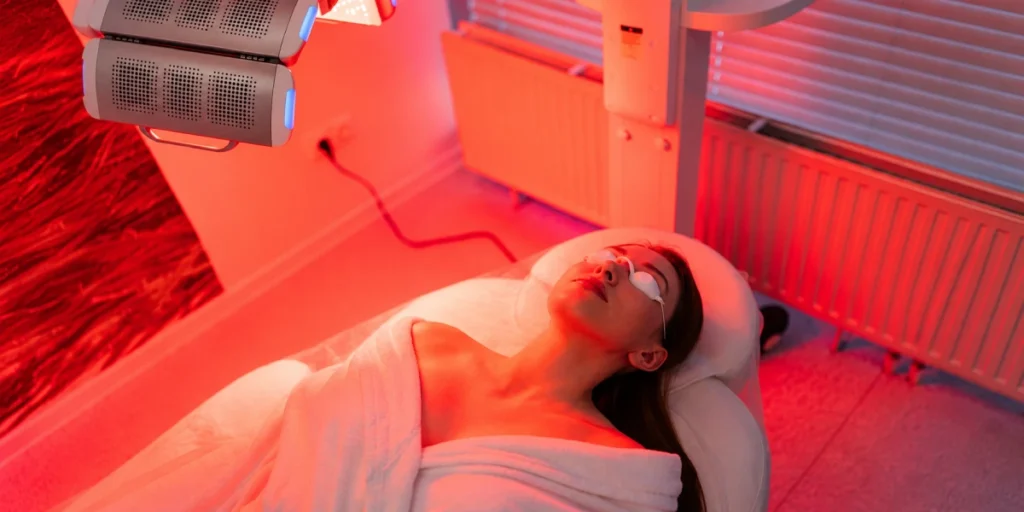
Red Light and General Skin Appearance
Some people book red-light sessions for overall skin appearance, hoping for a smoother, fresher look. Outcomes really vary. Dermatologists at the AAD (American Academy of Dermatology) point out a real problem with the research: every study seems to use a different device, run for a different amount of time. That makes them tough to compare. Red light is also being explored for skin repair and red light treatment for acne scars, although results depend on the treatment approach and individual skin concerns. And it means a rave review from a stranger can’t predict how your skin will respond.
What Is Blue Light Therapy Used For?
Blue visible light is used in some acne treatments, mostly for inflammatory acne lesions. Those are the red, swollen pimples, as opposed to clogged pores. Chang at Baylor describes blue light as a way to help “treat surface-level acne.” When a spa offers a blue light therapy facial, that blue light is simply one step inside a skincare appointment.
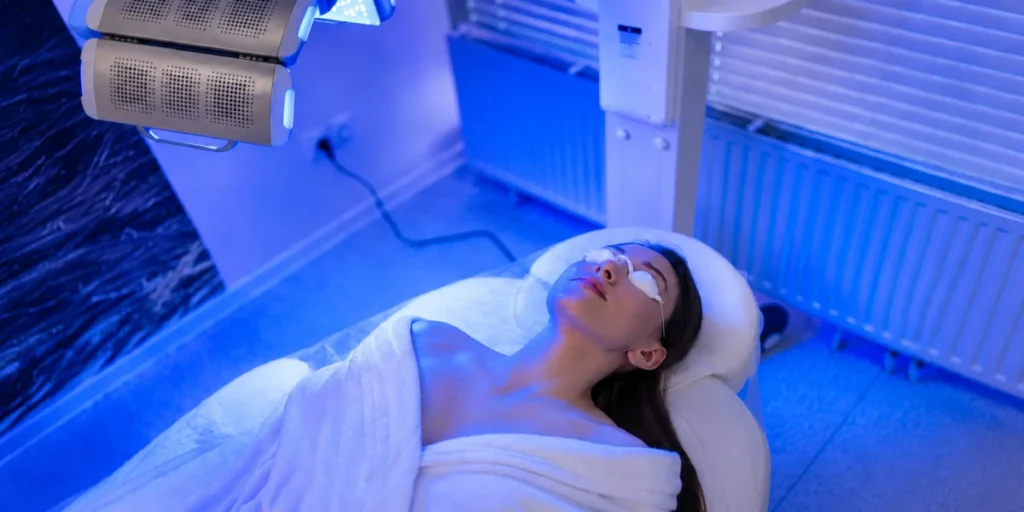
But acne isn’t one thing. Blackheads, whiteheads, cysts, and nodules are all different, and the AAD says visible light won’t help any of those four. Nobody can tell ahead of time who’ll respond, either, AAD adds. So, what color light therapy for acne? Usually blue, with plenty of fine print. A facial at a spa can’t stand in for a dermatologist checking your skin or prescribing acne treatment. Results also change from one machine, plan, and person to the next.
What Is Green Light Therapy Used For?
Green needs the most caution of the three. It’s been studied for certain skin responses, including pigmentation. Here’s the twist, though: there isn’t much proof yet, and some of it suggests the opposite of what people hope.
Researchers behind a 2023 review in the Journal of Clinical Medicine looked at lab work and reported that blue and green light “induced melanin production in healthy human skin.” In other words, they triggered more pigment, not less. That effect showed up more in darker skin types, the authors note. And they’re frank about the gaps, calling bigger, better-designed studies “sorely lacking and highly required.”
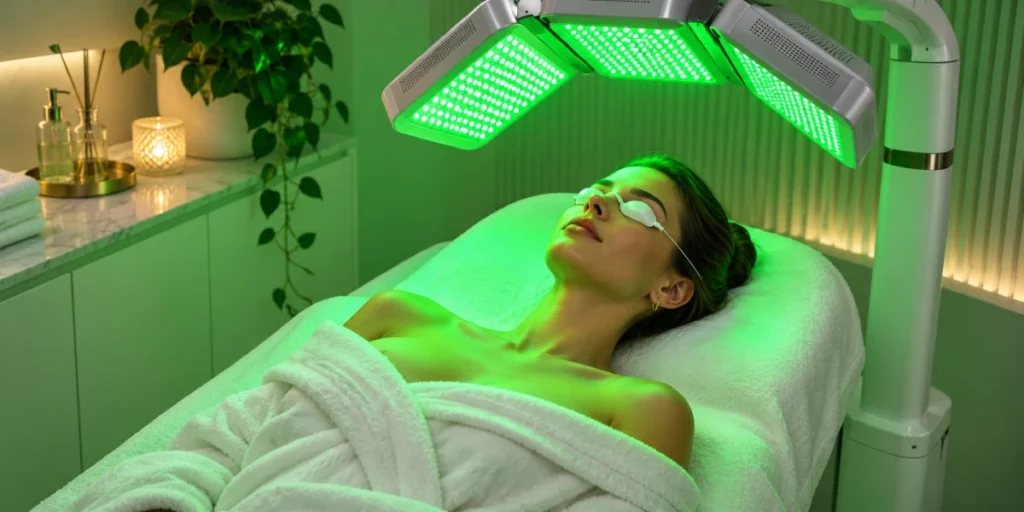
Bottom line? Green LED light isn’t something to rely on for dark spots or melasma. Seeing a green option on a spa menu? Ask about its wavelength, what the maker says it’s meant for, and how your provider would use it on you.
Can Red and Blue Light Therapy Be Used Together?
They can be. Some machines mix them, and the AAD’s acne page names blue light, red light, and the two combined as visible-light options. Some providers also pair them in one session. Chang at Baylor, for example, describes following blue light with red.
Two colors don’t automatically beat one, though. How red and blue light therapy works as a pair comes down to the machine, the plan, and what you’re trying to fix. So ask your provider to explain their choice, whether it’s a single setting, a pair, or all three.
Which Light Color Is Best for Different Skin Concerns?
Wish there were a neat chart matching each color to a skin problem? There isn’t one that fits everybody. Choosing between different color light therapy for face options works better as a set of questions. Here’s a framework to talk through with your provider:
- Your reason for treatment
- Cosmetic concern or medical issue
- The device and its intended use
- Realistic expectations
- Safety precautions
First, name the problem. Acne, aging, and patchy tone can call for very different advice. Second, figure out if it’s a looks thing or a medical one. Acne that won’t quit, or dark patches that suddenly appear, should go to a dermatologist before a spa. Third, learn about the machine, because its settings and directions drive the whole session. Fourth, keep hopes modest, since any change tends to be small and slow. Last, bring up health conditions or medicines that might make your skin touchy around light.
What Results Can You Expect From Facial LED Light Therapy?
Results aren’t promised, and how strong the evidence looks depends on the machine and the way it’s run. Put two devices on the same color, and you might still see different outcomes, thanks to differences in light intensity and treatment duration. Sticking with it matters too. Chang suggests you “think of it as maintenance.”
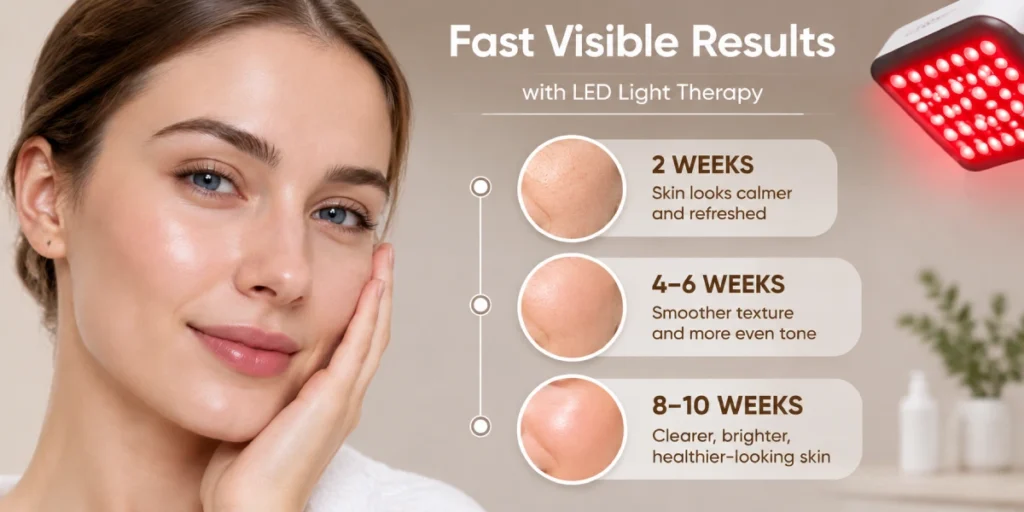
Be careful with before-and-after photos. One picture can’t show that a particular light caused a change. Brighter bulbs, a different camera angle, a new serum, or weeks passing between shots can all make skin look different. And if your problem sticks around or keeps returning, see a professional. For more on what to expect from a session, read our guide to LED light therapy facial benefits.
Is Color-Based LED Light Therapy Safe?
For many people, LED light appears to be well tolerated in the short term. AAD notes that research “hasn’t found that red light can cause any type of cancer.” But AAD also says plainly that “red light therapy isn’t right for everyone.” A few safety basics:
- Follow the device instructions
- Use eye protection
- Mention photosensitivity
- Get pigment or acne concerns checked
- Be cautious with darker skin tones
Your provider should stick to the instructions that came with their machine. Goggles provided? Wear them. Let your provider know about any photosensitivity, conditions triggered by light, or medicines that make your skin more reactive. Baylor’s Chang also notes LED therapy “is not for those with epilepsy.” Dealing with pigment or acne that won’t budge? A dermatologist is a better first stop than a spa. Also, remember that 2023 review: visible light deepened pigment in darker skin. That’s why nobody should treat any color as automatically fine for every skin tone. For more, see our article on LED facial safety.
How to Choose a Professional LED Facial
Going in with a few questions makes a big difference. A provider worth trusting will gladly talk you through their machine and tell you straight what it won’t do. Bring these up:
- Which colors does the device offer?
- What is the treatment meant to address?
- Can the provider explain the protocol?
- What results and precautions should you expect?
- Is it right for your concern?
Find out which facial light therapy colors the device offers, plus the ones they’d pick for your skin. Ask what the session is meant to do and how many minutes it lasts. Someone who really knows the equipment can explain all of it without jargon. They should also give you a realistic picture and go over any precautions. And if your concern sounds medical, they should point you to a doctor.
At Serenity Head Spa, our Light Therapy Facial pairs facial care with light-based skincare in a relaxing session. It’s a cosmetic service, not medical treatment for acne or pigmentation. You can compare it with our other facial treatment services too. Clients looking for facial treatments in Rockville can also choose from deep cleansing, hydrating, and facial massage services. It’s a cosmetic service, not medical treatment for acne or pigmentation.
Frequently Asked Questions
Colors still a little confusing? You’re not alone. We’ve answered the common questions below, short and simple. If you want advice for your own skin, ask your provider or see a dermatologist.
What Is the Difference Between Red and Blue Light Therapy?
Red light is mostly studied for signs of aging, while blue light is mostly used for some inflamed pimples. Red reaches further into the skin, and blue acts closer to the surface.
What Are Red, Blue and Green Light Therapy Colors Used For?
Red is linked with aging skin, blue with certain acne, and green with early pigmentation research. Evidence is strongest for red and blue, and none of them guarantee results.
Can Red and Blue Light Therapy Be Used Together?
Some devices combine them, especially for acne. Ask your provider if it makes sense for your skin and their machine.
What Color Light Therapy Is Used for Acne?
Blue is the main one, sometimes paired with red. It may help some inflamed pimples, but it won’t clear every kind of acne.
What Is the Difference Between Red Light Therapy and Blue Light Therapy for the Face?
On the face, red is used mainly for the look of aging skin and blue mainly for breakouts. They aren’t interchangeable.
What Is Blue Light Therapy Facial Treatment?
It’s a facial that includes blue LED light, usually aimed at acne-prone skin. What’s included depends on the spa.
How Does Green Light Therapy Work for the Skin?
Researchers are still figuring that out. Some lab studies show green light can actually increase pigment in some skin, so it isn’t a proven fix for dark spots.
Is Green Light Therapy Better Than Red Light Therapy?
No color is better across the board. They’re used for different things, and red has more research behind it.
Can LED Light Therapy Treat All Kinds of Acne?
No. Visible light doesn’t work on blackheads, whiteheads, cysts, or nodules, per AAD. For those, a dermatologist is your best bet.
Is Facial LED Light Therapy Safe for Every Skin Tone?
Don’t assume so. Visible light can cause pigment changes in darker skin, so if that concerns you, check with a dermatologist before booking.
How Do You Choose the Right Color for a Professional Facial?
Think about what you want to improve first. Then look at what the machine can do, and let your provider’s assessment make the call.
Does Using More Than One Color Mean Better Results?
Not necessarily. Combining colors doesn’t guarantee a better outcome. That comes down to the machine, how it’s used, and your skin.
Final Thoughts on Red, Blue and Green Light Therapy
If you take one thing from this red light vs blue light therapy guide, let it be this: red, blue, and green each do their own job, with their own amount of proof behind them, so you can’t swap one for another. Red is mostly studied for aging skin, blue for some breakouts, and green is still early research. Results hinge on the machine, how it’s used, and your own skin, and some concerns need a dermatologist first. If you’re thinking about trying a professional session, take a look at our professional LED facial to see what’s included.
Questions about light facials? Get in touch with Serenity Head Spa, with locations in Springfield, VA, and Rockville, MD.