
Sports massage can also be beneficial for people experiencing muscle tension, stiffness, or back pain caused by intense physical activity, overuse, or poor posture. By targeting tight and overworked muscles, it can help improve mobility, reduce discomfort, and support overall muscle recovery.
It is a type of massage whose main purpose is to prepare the tissues of your body to perform a significant sporting effort and, at the same time, to recover and/or prevent injuries that you may suffer during training or competition.
There is no sports massage that is universal for all sports and muscles, but there are massages that vary depending on the sporting activity you practice and the desired therapeutic objectives.
Objectives of Sports Massage
- Warm up your muscles before doing extreme exercise, oxygenating them and making them more flexible.
- Properly prepare the muscles for sports efforts and keep them in optimal condition.
- Promote muscle recovery from sports injuries and generally strengthen the athlete’s physique.
- Contribute to the reduction of inflammation, regeneration and remodelling of micro-tears in the tissues that may affect the sporting activity to be carried out.
- Improve sports performance.
- Recover and release muscles through lymphatic drainage and venous return massages.
- Relax your muscles, just like the athlete does just before the competition.
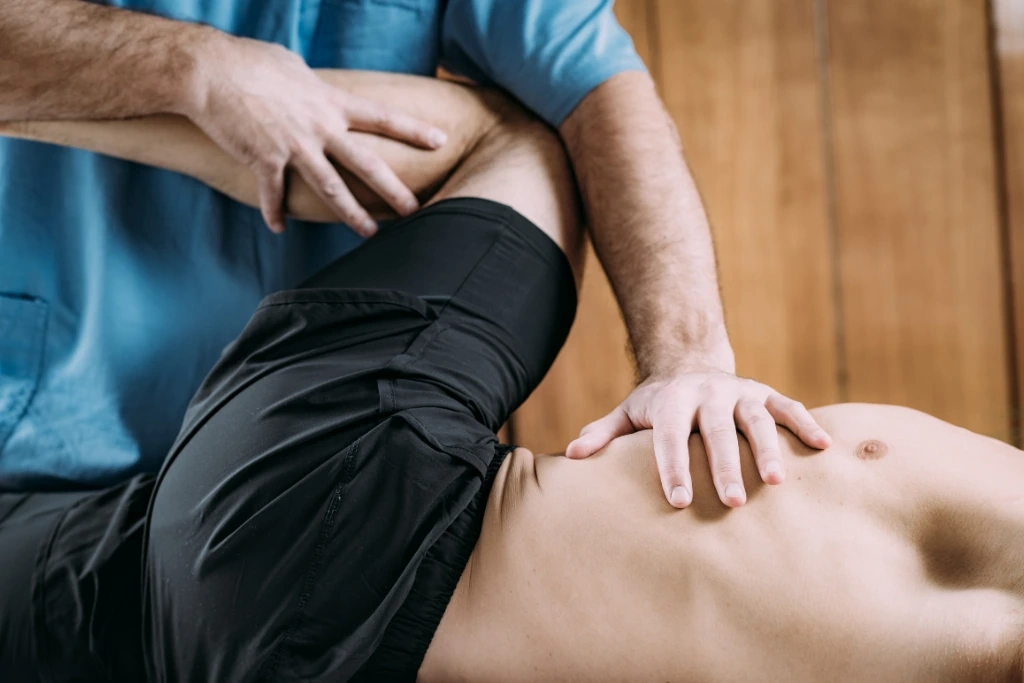
Sports Massage: Types
Sports massage can also help relieve back pain caused by muscle tension, overuse, poor posture, or intense physical activity by relaxing tight muscles and improving circulation.There are several classifications of sports massages, depending on the objectives to be achieved.
Preparatory Massage
It is an invigorating massage that is usually performed 6 to 24 hours before a competition, before starting a training session or before practicing some activity. Thanks to its effects, it is possible to optimize the elasticity and contraction capacity of the muscles.
Purposes of the preparatory massage
In addition, other objectives are achieved with sports massage:
- Improve blood circulation in muscle tissues.
- Increase the internal temperature of the muscle so that it responds better to tension and contraction.
- Help eliminate localized muscle pain.
Recovery massage
It is applied half an hour to 6 hours after finishing a sports activity. As a requirement before the massage, the athlete must do an active cool-down in order to slow down the heart rate, normalize breathing, stretch the muscles and hydrate properly.
Purposes of the recovery massage
- Drain metabolic waste.
- Reduce muscle hypertonus (stiffness) and painful spasms.
- Increase blood supply to the body.
Maintenance Massage
It is performed periodically and is part of the athlete’s physical preparation. In this type of massage, various techniques can be carried out, according to the objectives of the massage. This maintenance massage also allows for the application of appropriate techniques if any specific findings are made, during the initial examination of the area to be treated. Many spas offer customised massage packages that combine sports massage with other relaxing treatments, making it easier to support regular muscle recovery and overall wellness.
Maintenance massage helps eliminate muscle fatigue and contributes to maintaining a good level of elasticity. These massages are performed with creams and oils through small stretches in the muscle areas that were most worked during the week.
Purposes of maintenance massage
- Eliminate episodes of muscle fatigue.
- It promotes the maintenance of the elasticity of muscle tissues and ligaments.
- Detect and properly eliminate those areas where there is muscle pain.
In summary, always keep in mind that massages vary depending on the sport you practice and the goals you seek, whether it is to achieve strength, flexibility, endurance or speed. This is because the physiological responses produced by these messages are different. Therefore, it is necessary to regulate the speed, rhythm and depth of the massage depending on the main objective.
Frequently Asked Questions About Sports Massage
Sports massage can be adapted to different activities, training schedules, and muscle recovery needs. Before booking a session, you may have questions about preparation, timing, and how to fit massage into your fitness routine.
Can beginners benefit from sports massage?
Yes. Sports massage is not limited to professional athletes. Beginners who exercise regularly, start a new fitness routine, or experience muscle tightness after workouts may also find it helpful.
Should I exercise immediately after a sports massage?
It is generally better to avoid intense exercise immediately after a deep or focused sports massage. Give your body time to rest and see how your muscles feel before returning to demanding activity.
What should I tell my massage therapist before a sports massage?
Share details about your sport, training frequency, recent workouts, areas of tightness, and preferred pressure. Also mention any recent injuries or medical conditions so the therapist can adapt the session appropriately.
Is sports massage different for runners and weightlifters?
Yes. Runners may need more attention on their calves, hamstrings, and hips, while weightlifters may prefer focused work on heavily trained muscle groups such as the shoulders, back, and legs. The techniques should match the activity and individual needs.
Can I get a sports massage on a rest day?
Absolutely. A rest day can be a convenient time for a maintenance or recovery massage. It allows you to focus on muscle care without fitting the session around an upcoming workout.
What should I wear to a sports massage?
Wear comfortable clothing that is easy to change out of. During the session, professional draping is generally used to keep you covered while allowing the therapist to work on the selected muscle groups.