A relaxing head spa is an attractive treatment that we all want. But due to overmarketing, the benefits of head spas often seem suspicious and too good to be true. The real benefits of head spas are not something to exaggerate. A head spa cleans our scalp, helps us stay relaxed, and improves overall hair health. This guide discusses head spa treatment benefits, backed by science and experts.
Quick Answer Box
What is a head spa? A head spa is a professional scalp treatment combining deep cleansing, massage, and targeted products to improve scalp health, reduce tension, and enhance hair quality. Results include stress relief within hours and cumulative hair health improvements over 2–4 weeks with regular treatments.
Key benefits: Deep cleansing, improved circulation, stress relief, hair conditioning, tension release.
Cost: The average cost of a head spa is $60–$150 per session. (Varies by location and provider).
Best for: Scalp buildup, tension headaches, dry/oily scalp conditions, stress relief, hair health optimization.
What Is a Head Spa?
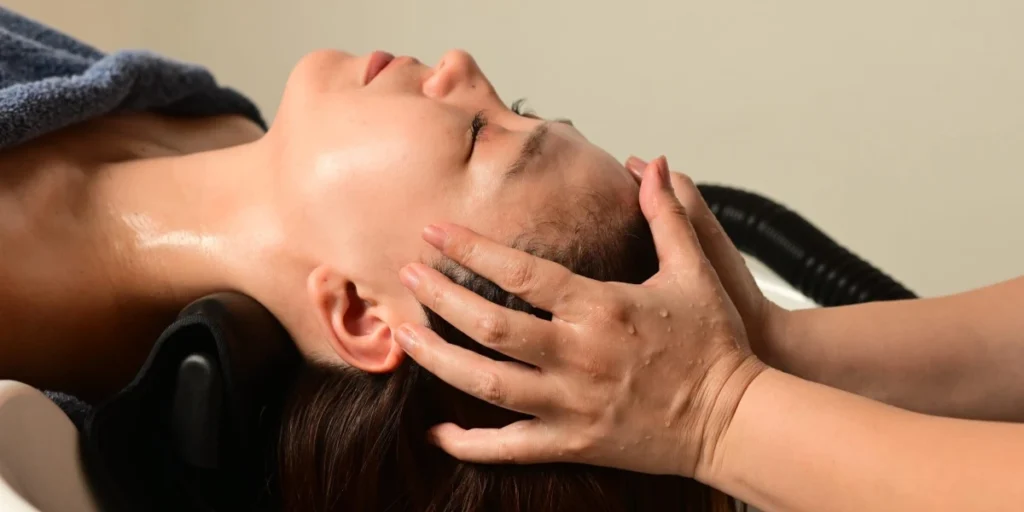
A head spa is a multi-step scalp treatment rooted in Japanese wellness traditions, combining professional cleansing, massage, and nourishing products. Unlike a typical shampoo, it targets the scalp’s deeper layers to remove buildup, improve circulation, and restore balance.
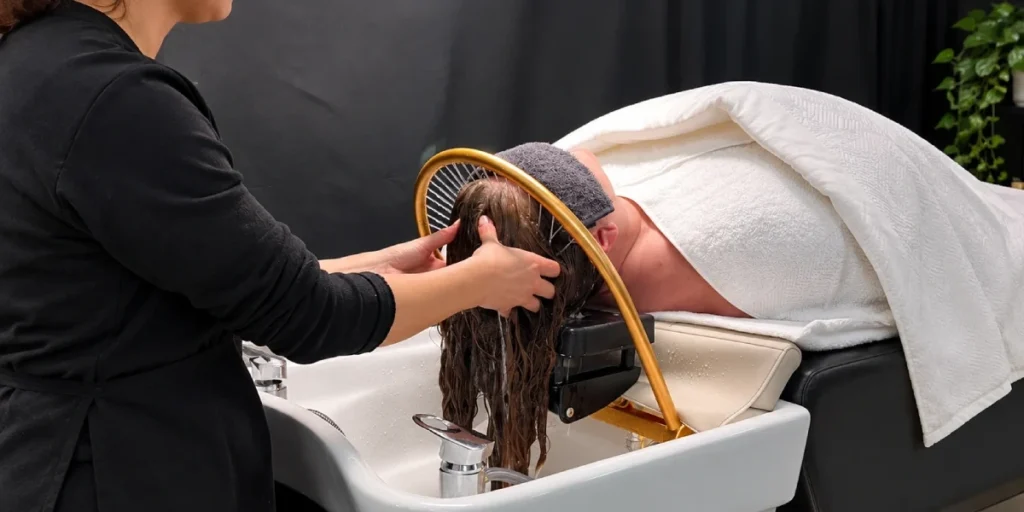
The treatment typically lasts 30–60 minutes and involves four phases, with some providers also offering specialized options such as an herbal head spa for a more customized scalp-care experience:
- Pre-cleanse with warm water
- Deep scalp cleansing with specialized shampoos
- Precision massage targeting pressure points
- Finishing treatment with serums or masks
Each step is designed to work synergistically, addressing both immediate relaxation and long-term scalp health.
Are Head Spa Benefits Scientifically Proven?
Head spas have been around as spa treatments for quite a long time. Many companies market head spas as something magical. Yes, there are benefits. But expecting too much may disappoint you. Some head spa scalp treatment benefits are backed by scientific evidence.
How Scalp Massage Activates Your Nervous System
When you get a head spa, your nervous system flips a switch. Instead of being in “stress mode,” your body enters deep relaxation mode. Here’s what happens inside:
Your body shifts into relaxation mode. A head massage activates your parasympathetic nervous system (the “rest and digest” part of your nervous system), which you can measure through changes in heart rate and blood pressure. (Head Massage Therapy Study)
Stress hormones drop, feel-good chemicals rise. Research on 37 massage studies shows consistent drops in cortisol (stress hormone) and increases in serotonin and dopamine (mood boosters).
Your brain releases natural pain-relievers. Scalp stimulation triggers the release of beta-endorphins, the hormone that makes us happy, which is why you feel so calm and happy after a treatment.
Why Improved Circulation Matters for Hair Health
Scalp massage increases blood flow to hair follicles by improving microcirculation. If you don’t know what a hair follicle is, these are small pores from which individual hairs grow. We can’t see them with the naked eye. A microscope is needed for better observation of hair follicles.
When you get a deep massage, the movement of the fingers improves circulation around hair follicles. The blood doesn’t circulate alone. It brings oxygen and nutrients with it and delivers them to hair follicles.
A study in ePLASty found that men who did a simple 4-minute scalp massage daily saw measurable increases in hair thickness after 6 months. (Koyama 2016 Study)
Bottom Line
Head spas work on two timelines: instant calm (nervous system relaxation) and long-term hair health (visible after weeks of regular treatments). The science backs it up at every level, from stress hormones to blood flow to actual genes being activated.
What Can You Expect After a Head Spa?
Immediate (Hours 0–8): Relaxed state, improved circulation (slight tingling), cleaner scalp feel, and softer hair.
Days 1–3: Sleep improvements, scalp balance begins, oil production stabilizes, and hair shine increases.
After 2–3 months: With consistent monthly treatments, hair texture visibly improves, scalp conditions (dandruff, sensitivity) diminish, and stress levels remain lower.
15 Head Spa Benefits
Benefits of a head spa include a clean, buildup-free scalp, promoting a healthy scalp microbiome, and reduced itching and flakiness. As a head spa includes massage, it improves scalp blood circulation, which indirectly helps with healthier-looking, shiny hair. Overall, a head spa provides a relaxing experience that reduces stress levels and promotes better sleep and overall well-being.
Head spa benefits for scalp
Deep Scalp Cleansing
Professional products remove mineral buildup, product residue, and environmental pollutants that regular shampoo misses. Deep cleansing unclogs pores and restores scalp microbiome balance, essential for healthy hair growth.
Removes Product Buildup
Silicones, sulfates, and styling product layers accumulate over months. These make hair feel greasy and dull the shine. A head spa dissolves these layers, revealing naturally healthier hair underneath. Most users notice improved volume and bounce the same day.
Scalp Hydration
Dry scalp conditions, such as flaking, tightness, and itching, improve significantly with targeted hydration treatments. Nourishing serums penetrate deeper during massage, delivering moisture that topical products alone cannot achieve.
Gentle Scalp Exfoliation
Mechanical exfoliation removes dead skin cells without harsh abrasion. This allows new skin cells to regenerate and improves product absorption for subsequent treatments.
Improved Scalp Comfort
Itching, sensitivity, and inflammation decrease as the scalp’s barrier function strengthens. This is particularly effective for those with psoriasis, dermatitis, or chronic scalp irritation.
Supports Consistent Scalp Care Routine
A professional head spa serves as a “reset button,” making home care routines more effective afterward. Many users follow with gentler daily practices, creating sustainable long-term scalp health.
Personalized Scalp Care
Professional estheticians assess your scalp type and customize products accordingly. A head spa is not a one-size-fits-all process. Professional treatments address your specific concerns (oily, dry, sensitive, combination).
Head spa benefits for relaxation
Stress Relief and Relaxation
Within the first 15 minutes, most clients experience measurable relaxation. The combination of warm water, massage, and nervous system activation creates a meditative state.
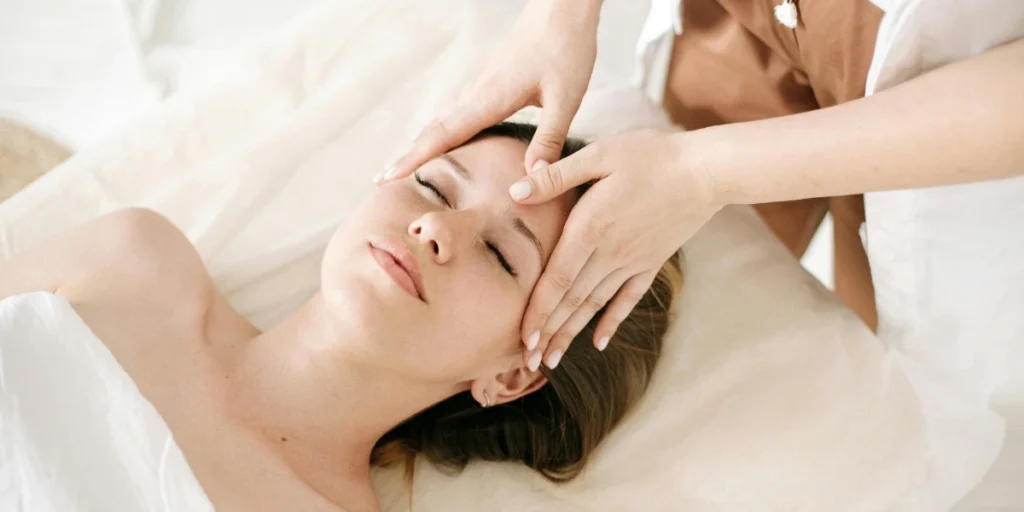
Head, Neck & Shoulder Tension Relief
Tension stored in the scalp, neck, and shoulders dissolves under targeted pressure-point massage. Many clients report headache reduction and improved posture within hours.
Japanese Wellness Experience
A Japanese head spa experience provides relaxation while giving attention to the scalp, hair, and overall comfort. These Japanese head spa benefits can include a refreshed feeling, a calmer mind, and a greater sense of relaxation after the treatment.
For people looking to share a relaxing wellness experience, a couples head spa can be a way to enjoy scalp care and relaxation together.
Head spa benefits for hair
Hair Conditioning
Intensive conditioning during the treatment phase delivers moisture directly to the hair shaft, improving elasticity and reducing breakage.
Smoother Hair Texture
A head spa provides deep hydration, which improves cuticle alignment. This results in visibly smoother, shinier hair. First-time users typically see results within 24 hours.
Healthier-Looking Hair
Improved scalp health cascades into better hair quality—stronger roots, reduced frizz, and enhanced natural shine. Over 4–6 weeks of consistent treatment, hair appears noticeably healthier.
Head spa benefits for overall health
Overall Well-Being
The overall positive effects of a head spa reduce stress, improve sleep, and boost hair confidence. It also resets the nervous system, contributing to overall well-being.
Better Sleep Quality
It is scientifically proven that a head spa lowers cortisol, the stress hormone, and relaxes the nervous system. One of the major reasons for sleep issues is a disrupted nervous system and having too much stress. In this way, a head spa improves sleep quality for 1–3 nights post-treatment.
What Happens During a Head Spa Treatment?
A typical session follows this structure:
- Consultation (5 min): The esthetician assesses your scalp type, concerns, and sensitivity.
- Pre-rinse (3 min): Warm water opens pores and prepares the scalp.
- Cleanse (10–15 min): Deep cleansing shampoo with massage techniques removes buildup.
- Massage & Exfoliation (15–20 min): Pressure-point massage combined with gentle exfoliation.
- Treatment (5–10 min): Serums, masks, or oils tailored to your scalp type.
- Final Rinse (3 min): Cool water seals the scalp and refreshes.
Products vary by treatment. Japanese head spas typically use gentle, plant-based cleansers and hydrating serums to avoid stripping natural oils. Some providers also offer different spa packages that combine multiple treatments into one appointment.
Head Spa vs. Alternatives
When you visit a spa, you’ll see not only head spas on the menu but also other related treatments, such as a scalp facial or deep conditioning massage. It can be a little confusing at first. But ask the representative or esthetician there to see which one will be best for you.
| Treatment | Best For | Cost ( average price) | Do you need professional help for the treatment? |
| Head Spa | Overall scalp + relaxation | $60–150 | Yes |
| Scalp Facial | Deep exfoliation focus | $75–150 | Yes |
| Deep Conditioning | Hair hydration only | $30–80 | Both |
| DIY Head Massage | Budget relaxation | $0–20 | No |
Professional vs. DIY: While DIY scalp massage offers stress relief, professional treatments deliver specialized products, precise pressure-point targeting, and deep cleansing that at-home methods cannot replicate.
Head Spa vs. Regular Hair Wash
A regular hair wash focuses mainly on cleansing the hair and scalp. A head spa is a more detailed treatment that typically combines scalp cleansing, massage, relaxation, and conditioning.
| Feature | Head Spa | Regular Hair Wash |
| Main purpose | Scalp care and relaxation | Basic cleansing |
| Scalp cleansing | More thorough | Standard |
| Scalp massage | Usually included | Usually brief or not included |
| Hair conditioning | Often included | May be included |
| Relaxation focus | High | Low |
| Treatment time | Longer | Shorter |
| Overall approach | Multi-step wellness treatment | Routine hair-care step |
Head Spa vs. Scalp Facial vs. Deep Conditioning
These treatments can overlap, but they have different primary goals. A head spa focuses on the scalp and relaxation, a scalp facial emphasizes scalp cleansing and care, while deep conditioning primarily targets the hair strands.
| Treatment | Primary Focus | Typical Steps | Best For |
| Head Spa | Scalp care and relaxation | Cleansing, massage, scalp care, conditioning | A relaxing, comprehensive scalp-care routine |
| Scalp Facial | Scalp cleansing and care | Exfoliation, cleansing, targeted scalp treatments | Removing buildup and refreshing the scalp |
| Deep Conditioning | Hair hydration and conditioning | Conditioning treatment, processing, rinsing | Dry or rough-feeling hair |
What a Head Spa Can and Can’t Do
A head spa can support a cleaner-feeling scalp and provide a relaxing hair-care experience, but it is not a cure-all for every scalp or hair concern. Knowing its realistic benefits can help you decide if the treatment fits your needs.
| A Head Spa Can Do | A Head Spa Can’t Do |
| Deeply cleanse the scalp | Permanently change your hair type |
| Help remove surface buildup | Guarantee hair growth |
| Provide scalp massage and relaxation | Cure underlying scalp conditions |
| Leave the scalp feeling refreshed | Repair severely damaged hair permanently |
| Support a consistent scalp-care routine | Replace professional care for persistent concerns |
| Condition and soften the hair | Guarantee results for every person |
Who Can Benefit From a Head Spa?
A head spa can’t treat every hair-related issue. But it can help prevent buildup-related problems, such as dandruff and flaking. Healthy, shiny hair starts from a healthy scalp. And a head spa helps keep your scalp clean, improve blood circulation, and promote a good scalp condition.
For Sensitive Scalps
If you experience itching, redness, or irritation, a gentle head spa using hypoallergenic products (products that don’t irritate) can soothe inflammation without causing further irritation.
For Oily Hair & Product Buildup
Frequent styling or heavy product users benefit most. Hair styling sprays and gels sit deep on the scalp. Most of the time, a simple hair wash with shampoo can’t remove them 100%. In that case, a deep cleansing head spa treatment helps remove the leftover products.
For Dandruff & Scalp Conditions
Regular head spas improve scalp microbiome balance. As a head spa thoroughly cleans, it prevents dead cell buildup and fungus from feeding on the dead cells and oils. If you suffer from flaking and dandruff, a head spa helps reduce their appearance with consistent treatment.
For Stress & Tension Sufferers
If you carry tension in your neck and shoulders or experience stress-induced headaches, the parasympathetic reset from a head spa offers lasting relief.
For Anyone Wanting Healthier Hair
With heavy pollution and dust outside, the scalp rarely stays in good condition. Professional treatments optimize hair growth and appearance. It doesn’t necessarily increase hair growth directly. But if your goal is healthy hair, a head spa is a worthy long-term hair health investment.
How Often Should You Get a Head Spa?
For most people, a head spa once every 4–6 weeks is a reasonable starting point. The ideal frequency depends on your scalp condition, hair type, product buildup, and the type of treatment included in the service. A head spa should complement, rather than replace, a regular hair-washing routine.
There is no strong clinical evidence establishing a specific head-spa schedule. However, dermatologists emphasize adjusting hair and scalp care to individual needs. The American Academy of Dermatology recommends washing based on how quickly the scalp becomes oily or dirty, rather than following one schedule for everyone.
A Practical Head Spa Schedule
| Your situation | Suggested frequency |
| General relaxation and scalp care | Every 4–6 weeks |
| Noticeable product buildup or oily scalp | Every 3–4 weeks, depending on your normal hair-care routine |
| Dry or easily irritated scalp | Less frequently, with gentler treatments |
| Special relaxation or wellness treatment | As desired, provided the scalp remains comfortable |
| Persistent scalp problems or unusual hair shedding | Ask a dermatologist rather than relying on head spas |
Frequently Asked Questions
Are Head Spas Worth It?
Head spas can be worthwhile for relaxation, scalp cleansing, massage, and temporary hair-conditioning effects. However, there is insufficient evidence that they provide unique long-term hair-growth or scalp-health benefits. For a closer look at the value and costs involved, see whether a head spa is worth the money.
What Are the Benefits of Head Steam?
Steam may help soften hair and make cleansing easier, but specific health benefits of head steaming have not been well established scientifically. Excessive heat can contribute to hair damage.
What Is a Scalp Treatment at a Spa?
A spa scalp treatment is a cosmetic service that may include cleansing, massage, exfoliation, conditioning, or steam. Its exact process and benefits vary by provider.
What Should You Not Do After a Hair Spa?
Avoid unnecessary high-heat styling and harsh handling after a hair spa, as excessive heat can damage hair. Follow your salon’s specific aftercare instructions.
Do Head Spas Help Hair Growth?
There is not enough evidence that head spas promote hair growth. One small study found increased hair thickness after regular scalp massage, but it did not prove that professional head spas stimulate growth.
Is Steam Necessary in a Hair Spa?
No. There is no scientific evidence that steam is necessary for a hair spa to be effective, and excessive heat may damage the hair shaft.
What Are the Benefits of a Japanese Head Spa for Hair
There is insufficient evidence that Japanese head spas provide unique hair benefits. Any effects would depend on the individual services, such as cleansing, conditioning, or massage.
What Is a Japanese Head Spa?
A Japanese head spa is a salon treatment focused on scalp and hair care, often combining cleansing, massage, conditioning, and relaxation techniques. Procedures vary between providers.
What Are the Benefits and Side Effects of a Head Spa?
Head spas may provide relaxation, cleansing, and temporary conditioning benefits, but long-term therapeutic benefits are not well established. Excessive heat or irritating products may cause hair or scalp problems.
Is a Head Spa Good for Psoriasis?
A head spa is not a proven treatment for scalp psoriasis. People with psoriasis should follow dermatologist-recommended treatment and be cautious with irritating or vigorous scalp procedures.
Is a Head Spa Good for Migraines?
There is insufficient evidence that head spas treat or prevent migraines. While massage has been studied for migraine management, this does not establish that head-spa treatments have the same effect.
Final Thoughts
A head spa bridges wellness and self-care. It combines proven stress-relief techniques with targeted scalp health. A professional head spa treatment helps with preventing buildup, reducing tension, or simply investing in long-term hair vitality. The overall benefits are a calmer nervous system and a healthier scalp, thus resulting in healthy-looking hair. Start with one treatment to experience the immediate relaxation, then assess whether monthly sessions align with your scalp needs and budget.