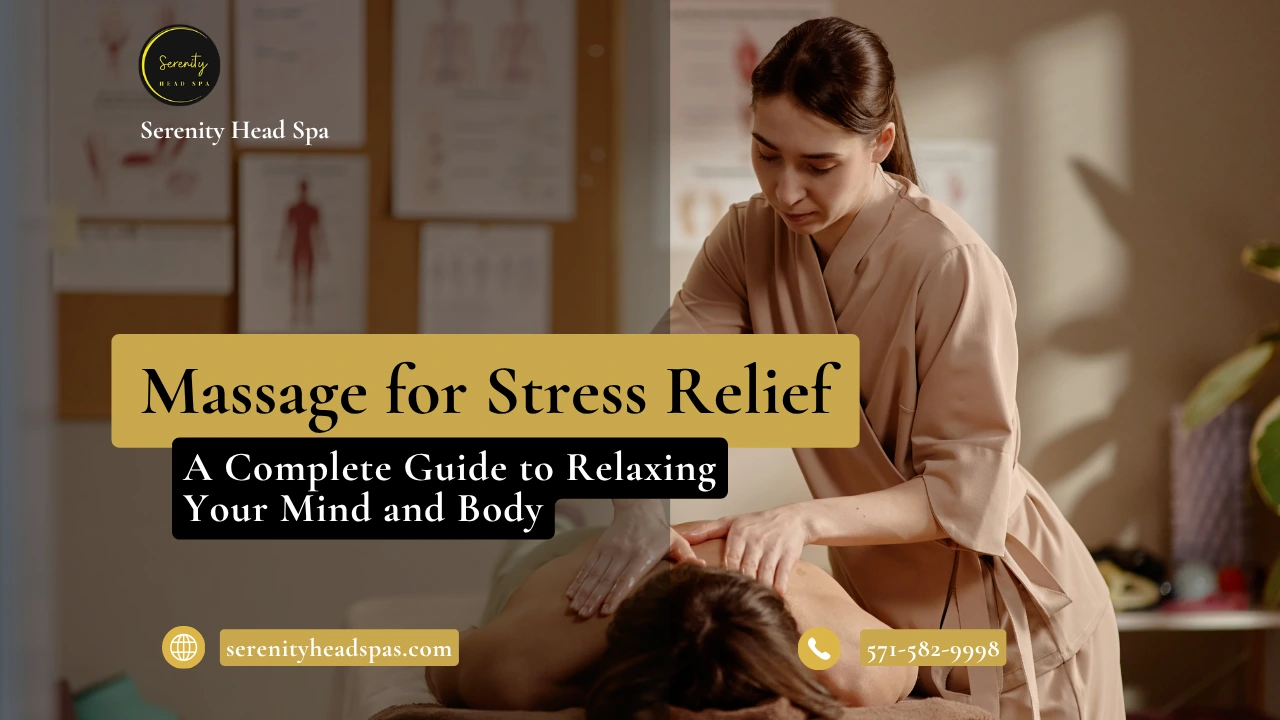
Stress often shows up in your body before your mind notices it. Your neck gets tight. Your jaw feels stiff. Massage for stress relief is one of the easiest ways to relax your body and calm your mind. This guide shows how it works and which types are most helpful. It also shows how to use it at home and with a pro.
What Is Stress and How Does It Affect Your Body?
Stress is like an alarm in your body. When your brain feels pressure, it sends out stress hormones. These are chemicals like cortisol and adrenaline that help you act fast. The problem starts when the alarm never turns off.
How Stress Feels in Your Body
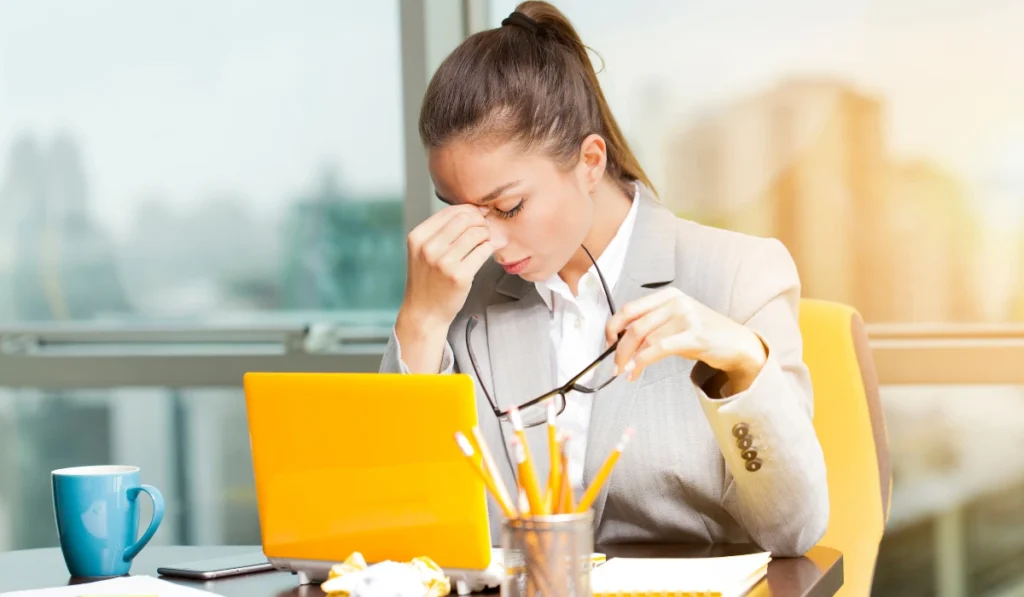
Stress likes to hide in your muscles. Most people feel it first in the neck, shoulders, and lower back. Here are the common signs.
- Tight or sore muscles, mostly in the upper body
- Headaches behind the eyes or at the base of the head
- Feeling tired even after a full night of sleep
- Short breaths and a tight chest
- An upset stomach or slow digestion
How Stress Affects Your Mind
Long-term stress changes how you think and feel. You may feel worried, angry, or sad. It gets hard to focus, and sleep gets worse. Small problems start to feel really big.
Why You Should Not Ignore Stress
Stress that never stops can hurt your body. It raises your blood pressure. It also weakens your body’s ability to fight sickness. Over time, it raises the risk of heart disease.
This is where massage therapy and stress relief work well together. Regular care with touch helps stop this cycle early. It can stop stress before it turns into a health problem.
Is Massage Good for Stress Relief? What Science Says
Yes. Massage is one of the most studied ways to lower stress. Studies show that one session can lower stress hormones fast. It can also lift your mood in just minutes.
How Massage Lowers Cortisol
Cortisol is the main stress hormone. A study in the International Journal of Neuroscience shows massage can lower it by up to 30 percent. Lower cortisol hormone means a slower heart rate. It also means easier breathing and a calmer mind.
How Massage Raises Serotonin and Dopamine
Serotonin and dopamine are brain chemicals that help you feel good. They help you feel happy, calm, and focused. The same studies show that massage raises them by about 28 to 31 percent. These effects are part of the potential benefits of therapeutic massage on mental health. This is why people feel lighter after a massage.
What the Studies Show
Below you will find a quick look at the main results.
| Hormone or Marker | What Massage Does | Why It Matters |
| Cortisol | Goes down up to 30% | Less stress, calmer body |
| Serotonin | Goes up about 28% | Better mood, less worry |
| Dopamine | Goes up about 31% | Better focus and calm |
| Heart rate | Goes down in minutes | Calms the stress response |
How Long Does It Take to Feel Calm?
Most people feel a change in 10 to 15 minutes. The hormone changes start during the massage. They last for a few hours after. With weekly visits, the calm feeling becomes your new normal.
How Massage Calms the Body
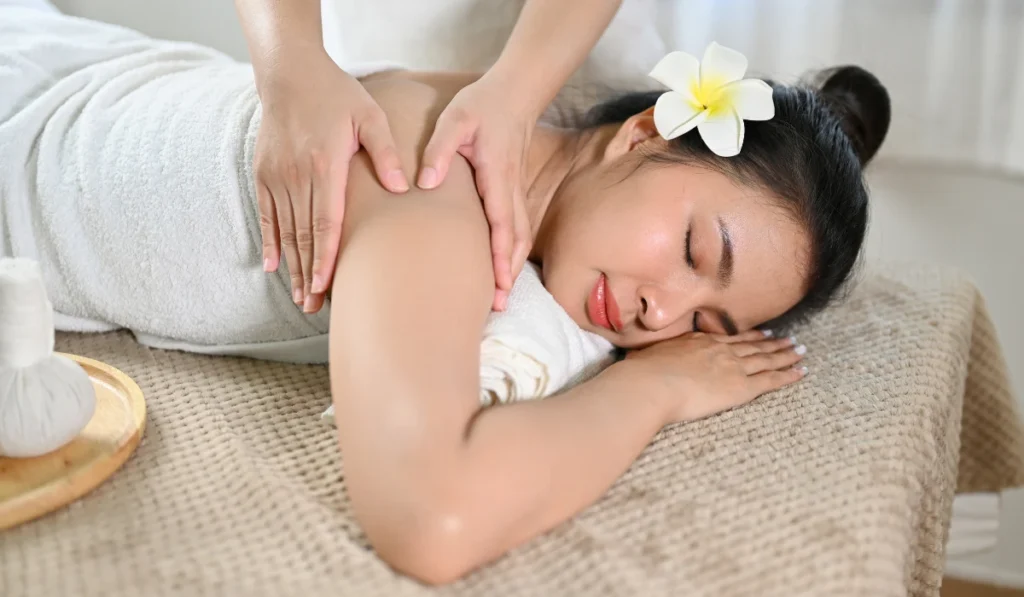
Massage to reduce stress works on your nerves, your muscles, and your blood. Each part adds to the calm.
How It Helps Your Nerves
Your body has two modes. One mode runs the stress response. The other mode helps you rest and heal.
| Mode | What It Does | How Massage Helps |
| Stress mode | Speeds the heart, tightens muscles | Tells the brain to turn this off |
| Rest mode | Slows the heart, relaxes muscles | Turns this on in minutes |
How Tight Muscles and Stress Connect
Stress makes your muscles tight. Tight muscles then send pain signals to your brain. This keeps the brain on alert. It becomes a loop.
Massage to reduce stress breaks this loop. It relaxes the muscle first. Then the brain learns that you are safe.
Better Blood and Oxygen Flow
Rubbing and pressing move blood through tight spots. More blood flow brings oxygen to tired muscles. It also clears out waste that builds up from stress.
Turning On the Body’s Calm Switch
Slow, steady pressure tells your brain that you are safe. Your breath slows down. Your heart rate drops. Massage turns on this calm switch fast.
Best Types of Massage for Stress Relief
Not every massage feels the same. Each type works in its own way. Below you will find the top choices for massage therapy and stress relief.
Swedish Massage
Swedish massage uses long, smooth strokes. It uses light to medium pressure. It is the most popular choice for first-timers and can provide many of the benefits of a relaxation massage. It is also a good all-around choice for stress.
Deep Tissue Massage
Deep tissue uses slow, firm pressure. It reaches the muscles deep under the skin. It works best when stress causes hard knots. These knots often form in the back, neck, or shoulders.
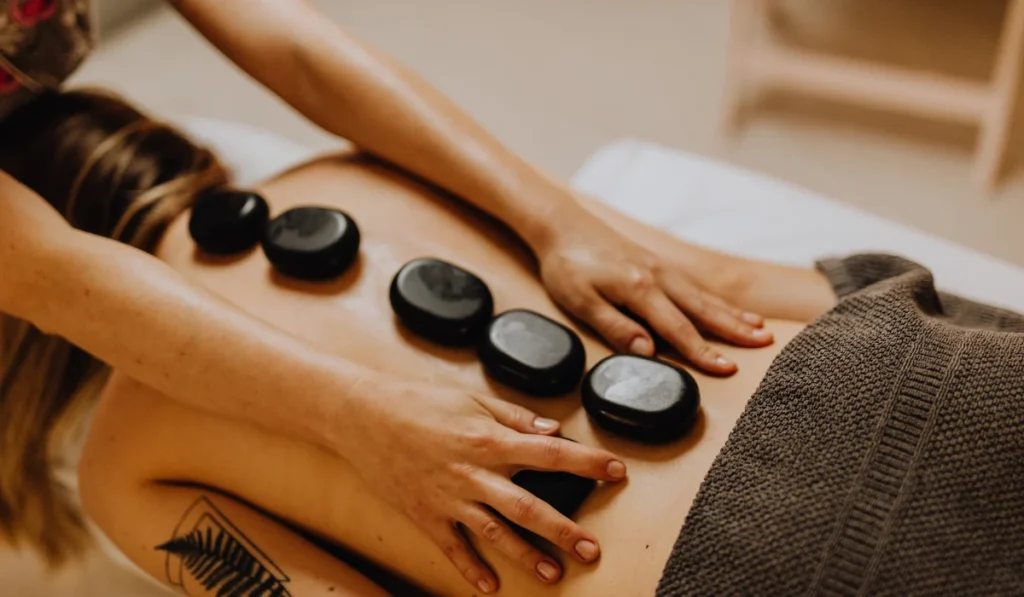
Hot Stone Massage
A therapist places warm stones on key spots on the body. The heat loosens tension faster than hands alone. Learning about the benefits of hot stone massage can help you understand why this type is great for a deep reset.
Aromatherapy Massage
Aromatherapy massage uses scented oils. Common oils are lavender, bergamot, and chamomile. The smell reaches the brain in seconds. The mix of oil and touch makes you feel even calmer.
Reflexology
Reflexology works on the feet, hands, and ears. The idea is that spots there connect to the rest of the body. Many people feel very relaxed after a short session.
Shiatsu Massage
Shiatsu uses finger pressure on points along the body. You keep your clothes on. It is a good choice if you do not want oil.
Craniosacral Therapy
Craniosacral therapy uses very light touch. The therapist works on the head, neck, and spine. It is one of the gentlest types. It works well for worry and stress from trauma.
How to Massage for Stress Relief at Home
You do not need a pro every time. Below are ways to massage yourself. You just need your hands and a few simple tools.
Neck and Shoulders
- Sit up tall and drop your shoulders down.
- Put your right hand on your left shoulder.
- Squeeze the muscle between your thumb and fingers.
- Hold for 5 seconds, then let go. Do this 5 times.
- Switch sides and repeat.
Use firm but gentle pressure. If it hurts a lot, ease off.
Scalp and Head
Put all ten fingers on your scalp. Move them in small circles, like washing your hair. Go from front to back for two minutes. Learning how deep tissue scalp massage works can also help you understand different approaches to working with scalp tension. A wooden scalp tool makes this easier.
Hands and Wrists
Press your thumb into the palm of your other hand. Move in slow circles. Then pull each finger gently from base to tip. This helps after long hours of typing.
Feet Massage
Sit down and rest one foot on the other knee. Press your thumbs along the arch in small circles. Spend extra time on the heel and the ball of the foot. Five minutes per side is enough.
Tools You Can Use at Home
- Foam rollers: best for the back, hips, and legs
- Massage balls: reach deep knots in the shoulders
- Handheld massagers: cover big areas fast
- Scalp massagers: ease tension headaches in minutes
- Acupressure mats: relax the whole body while you rest
Getting a Massage From a Pro
What Happens at Your First Visit
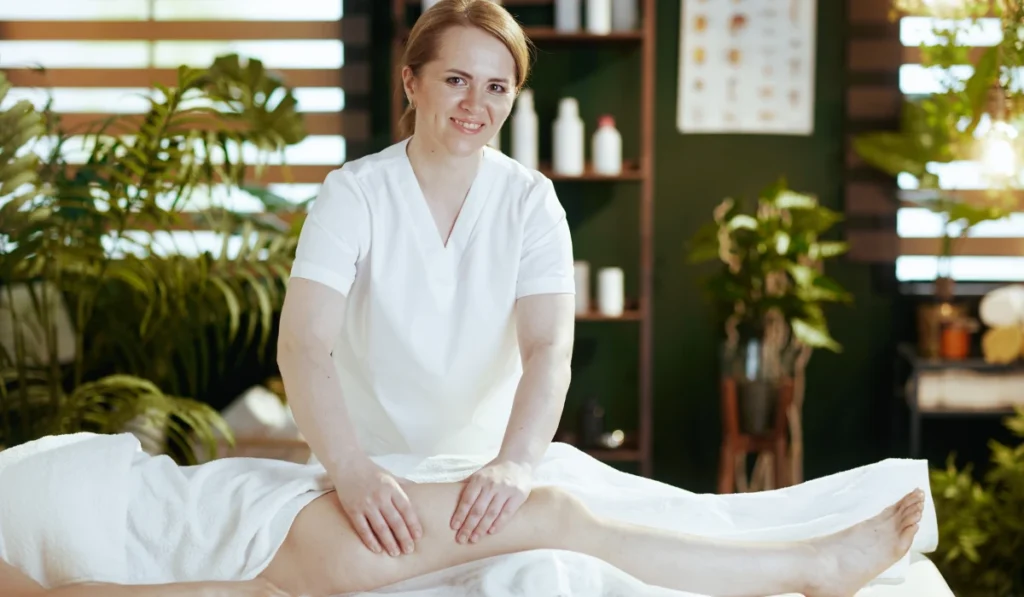
Your therapist will ask about your health and your stress. They will also ask about sore spots. Then you undress to your comfort level and lie under a sheet. The therapist works on one area at a time. The rest of your body stays covered.
How to Pick the Right Therapist
- Look for a licensed therapist with relaxation training
- Read new reviews from local clients
- Ask if they have worked with stress and worry
- Trust how you feel in the first 10 minutes
What to Tell Your Therapist
Be honest about your stress. Point out your tight spots. Say if you want light, medium, or firm pressure. If something feels wrong, speak up right away.
How Often Should You Get a Massage?
| Stress Level | How Often | How Long |
| Low or normal | Every 3 to 4 weeks | 60 minutes |
| Medium | Every 2 weeks | 60 to 90 minutes |
| High | Once a week for the first month | 90 minutes |
How Long Should a Session Be?
A 60-minute session covers the whole body. A 90-minute session gives more time for tight spots. These spots are often the back or neck. For deep stress relief, 90 minutes is better.
Key Massage Moves Used for Stress Relief
Five main moves make up almost every stress relief massage. Knowing them helps you see what your therapist does.
| Move | What It Looks Like | Why It Works |
| Effleurage | Long, smooth strokes | Warms the muscle and tells the brain to relax |
| Petrissage | Kneading like dough | Loosens tension and brings in blood |
| Tapotement | Quick, light taps | Wakes up the nerves without adding stress |
| Friction | Deep circles | Works on knots under the skin |
| Vibration | Gentle shaking | Helps tight muscles let go |
Who Gets the Most From Massage?
Office Workers
Long hours at a desk make the neck and shoulders tight. The lower back gets tight too. Regular massage stops this from building up.
Athletes and Active People
Hard training raises cortisol. Massage helps the body heal. It also keeps stress hormones down.
People With Anxiety
Gentle types like Swedish and craniosacral can lower worry. Massage therapy for anxiety and stress may also be used as part of a broader approach to managing these feelings. Always pair it with help from a mental health pro.
Older Adults
Light massage helps blood flow. It also eases stiff joints. It feels good and adds comfort.
New Moms
New moms often hold stress in the upper back and shoulders. A short, gentle session can really help.
Are There Any Risks?
When You Should Not Get a Massage
Skip the massage until a doctor says it is okay. Wait if you have any of these.
- A fever or an active infection
- A new injury, sprain, or open cut
- A skin problem in the area
- Blood clots or serious heart disease
- The first trimester of pregnancy without a doctor’s okay
Talk to Your Therapist
Share your full health history. List your medicines and any recent surgeries. A good therapist will change the session to keep you safe.
Side Effects Some People Feel
You might feel a little sore or tired. You might get light bruises too. This happens more often after deep-tissue work. Drink water and rest. It usually goes away in a day.
Tips to Get the Best Results
| Time | Do This | Avoid This |
| Before | Eat light, drink water, come 10 minutes early | Big meals, caffeine, rushing in |
| During | Breathe slowly, speak up about pressure | Staying tense or quiet when it hurts |
| After | Drink water, take a warm shower, rest | Hard workouts, alcohol, late nights |
Final Thoughts
Massage for stress relief is more than a treat. It is a proven way to lower stress hormones, relax tight muscles, and calm your nerves. The best results come from combining a professional massage service with simple self-massage at home
Start with one professional massage service session. Add five minutes of self-massage each day and see how you feel after two weeks. Small steps can lead to a calmer mind and a stronger body.
Frequently Asked Questions
How often should I get a massage for stress relief?
Get one every two to four weeks for normal stress. Get one each week for high stress, at least for the first month.
Can massage cure stress and worry for good?
No single thing can cure stress for good. Massage is one strong part of a bigger plan. That plan also needs sleep, exercise, and help from pros.
Is massage good for stress relief for everyone?
For most people, yes. Talk to your doctor first if you are sick for a long time. Also, talk to your doctor if you are pregnant.
What type of massage is best for stress and worry?
Swedish, hot stone, and aromatherapy massage are the top picks. Craniosacral therapy is best for very gentle work.
How long does it take for a massage to reduce stress?
Most people feel calmer in 10 to 15 minutes. The change can last for a few hours after.
Can I do a massage for stress relief at home?
Yes. Self-massage on the neck, scalp, hands, and feet works well. Tools like rollers and massage balls help you reach more.