

There’s a particular heaviness that settles into your legs by the end of a long day. Your face looks softer than usual in the morning. Your rings sit tighter after a flight than they did before it.
If that sounds familiar, you’ve probably searched for how to detox lymphatic system naturally, and the instinct behind that search is a good one. Your lymphatic system really is involved in all three of those things. What it responds to, though, isn’t a cleanse. It responds to gentle pressure and steady movement, applied where the vessels actually run.
Quick Answer:
Your lymphatic system doesn’t need detoxing in the way the word suggests, though it does respond well to being helped along. Manual lymphatic drainage is the method with a genuine physical mechanism behind it, using strokes light enough to move only the skin, following the pathways lymph already travels. Walking and deep breathing help for the same underlying reason: they change the pressure around the vessels. A drink or a powder can’t do that. And if swelling won’t settle, or you notice a node you can’t account for, that’s a conversation for your doctor rather than something to treat at home.
Can You Really Detox Lymphatic System Naturally?
It depends on what you’re hoping for.
You can’t rinse the detox lymphatic system naturally out the way you’d rinse a pipe. Nothing gets flushed, and no plan resets it. What you can genuinely influence is how easily lymph moves, and that varies far more from one day to the next than most people realize. A long flight slows it. A day spent walking speeds it up.
So the goal behind a lymphatic detox plan is reachable, even if the plan itself isn’t the thing that gets you there. It arrives gradually, through habits your body already knows how to use.
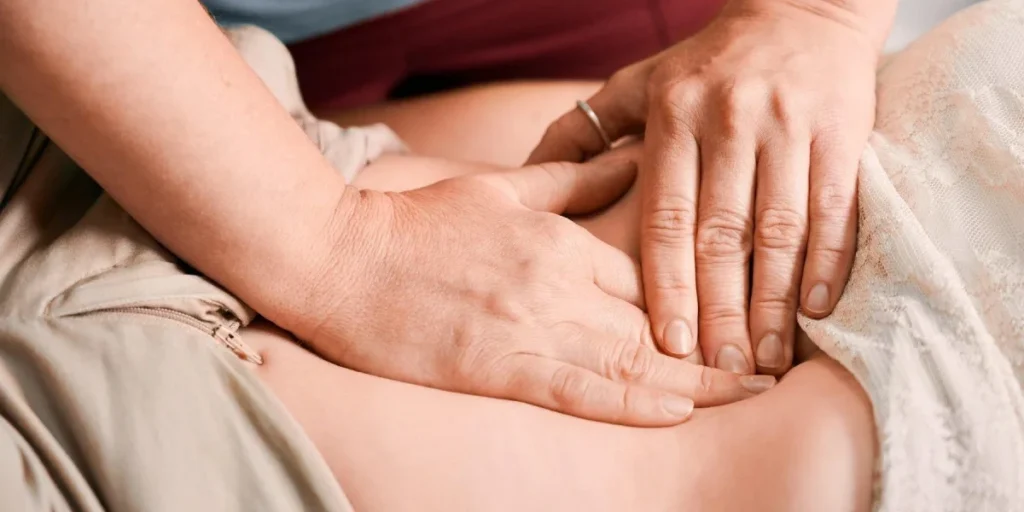
What Does the Lymphatic System Do?
Two systems carry fluid through your body. You know the first well, because the heart makes itself known. The second is quieter about it. No pump, no pulse, and yet it moves something like three liters of fluid every day, which is most of what you need to know before any of the advice below makes sense.
What Is the Lymphatic System?
Think of it as the cleanup crew that follows your circulation around. Blood vessels leak a small amount of fluid into your tissues constantly, and this network collects what’s left behind.

Cleveland Clinic puts its main roles as returning that excess fluid to your bloodstream and filtering waste and abnormal cells out along the way. It also absorbs fats during digestion, which surprises most people.
What Does Lymph Fluid Do?
Lymph is clear, watery, and slightly rich in protein.
It collects from your tissues and drops nutrients off at your cells, then picks up anything harmful it finds on the way back so white blood cells can deal with it, according to Cleveland Clinic. So it’s running deliveries and collections at once. Calling it a waste system misses half the job.
How Does Lymph Move Through the Body?
Your lymphatic system has no pump. That one fact explains nearly everything else about looking after it.
Your heart moves blood. Nothing performs that role for lymph, which depends instead on pressure applied from outside the vessels, and that’s why habits count for more here than they do for circulation. Walk, and the muscles in your legs squeeze the vessels threaded between them. A deep breath does something similar higher up, shifting the pressure in your chest so fluid gets drawn toward the collarbones.
Two smaller things help. Valves inside each vessel stop anything sliding backward, and the vessel walls hold a thin band of muscle that contracts on its own slow rhythm, quietly, all day.
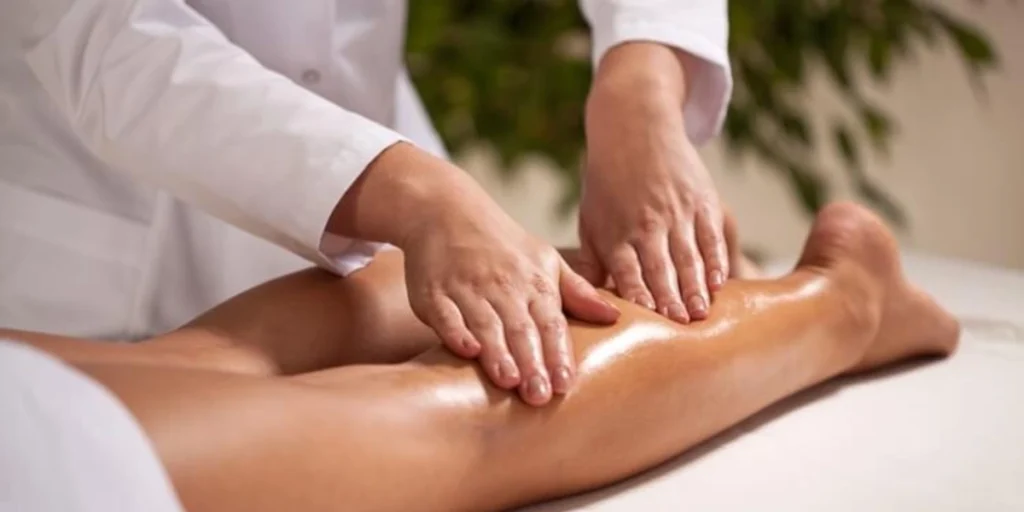
What Does a “Clogged” or Sluggish Lymphatic System Mean?
A blocked lymphatic system is a phrase worth understanding rather than dismissing, because the feeling behind it is real even when the wording isn’t medical.
Toxins don’t gather in your vessels the way hair gathers in a shower drain. What actually happens is that fluid builds faster than it clears, and the reason can be anything from a long flight to a hormonal shift to a condition that needs treating. Those situations look similar from the outside and call for very different responses, which is the main thing to take from this section.
Signs of Lymphatic Fluid Buildup
If you’re trying to work out how to cleanse a clogged lymphatic system, start by checking whether anything is genuinely congested. The clearest sign is fluid sitting somewhere it doesn’t usually sit:
- Puffiness in your ankles, legs, hands, or face
- A heavy or tight feeling in one limb more than the other
- Skin that holds a small dent for a moment after you press it
- Rings and shoes that fit comfortably in the morning but not by evening
One gentle caution. Fatigue, bloating, and skin breakouts are often attributed to lymph online, and the evidence for those connections is thin. If any of them are troubling you, they’re worth investigating on their own terms rather than assuming lymph is behind them.
Common Causes of Lymphatic Problems
Genuine dysfunction usually traces back to something identifiable. Surgery involving lymph node removal is the most common cause, followed by radiation, infections such as cellulitis, injuries that leave scarring in the vessels, and venous insufficiency. A small number of people are born with underdeveloped lymphatics, a condition called primary lymphedema.
A stressful month and a few takeout dinners don’t belong on that list, whatever the internet suggests.
10 Natural Ways to Support Lymphatic Drainage
These are arranged roughly by how much difference each one makes. The first four carry most of the weight, and the rest support them. None of it requires special equipment, and none of it needs to feel like effort.

1. Stay Hydrated
Lymph is mostly water, so being dehydrated genuinely changes how it moves. There’s no beverage that drains it, though. Lemon water is pleasant, and that’s the extent of it.
Sipping steadily through the day works better than drinking a large amount at once, and easing back on alcohol helps as well.
2. Move Your Body Regularly
If you’re looking for how to drain the lymphatic system naturally, the answer is also the least exciting one. Walk.
Each step contracts the muscles wrapped around your lymph vessels, and that gentle squeeze is the closest thing to a pump your system has. Swimming adds the pressure of the water itself. Cycling, yoga, and simple stretching all count too.
Ten minutes at a time, several times a day, does more than one long session. Consistency matters more here than intensity ever will.
3. Practice Deep Diaphragmatic Breathing
Deep breathing shifts the pressure inside your chest and draws lymph upward toward the ducts near your collarbones. It’s the reason therapists begin every session this way, before their hands do anything at all.
Rest one hand on your belly. Breathe in slowly through your nose for four counts, letting the belly rise, then out through your mouth for six. Five to ten rounds is plenty.
4. Try Gentle Lymphatic Drainage Self-Massage
This is the approach with the clearest mechanism behind it, and also the one most often done incorrectly. Two things are worth understanding first: what the technique actually is, and how surprisingly light the pressure needs to be. Explore self-lymphatic massage techniques for at-home care.
What Is Manual Lymphatic Drainage?
Manual lymphatic drainage, or MLD, uses light directional strokes to guide fluid toward healthy lymph nodes. Cleveland Clinic describes it as a gentle massage used for swelling associated with lymphedema, including swelling that follows cancer treatment and breast surgery.
The pressure is roughly what you’d use to move the skin without disturbing the muscle beneath it. That’s why a professional lymphatic drainage massage feels unlike anything else on a spa menu, and why many people find it so deeply relaxing. It asks almost nothing of the body.
How to Do Lymphatic Drainage at Home
A simplified version works well once you know the order. Cleveland Clinic’s therapists recommend beginning with breathwork and keeping the pressure very light, ideally after a warm shower. Because the vessels sit so near the surface, pressing firmly closes the very pathways you’re trying to open.
- Take five slow diaphragmatic breaths.
- Gently pump the hollows above your collarbones, five to ten times.
- Stroke lightly down the sides of your neck.
- Pump the armpit on whichever side feels swollen.
- Use slow, skin-stretching strokes from the swollen area toward those cleared nodes.
If anything feels uncomfortable, ease off. Done correctly, this should never hurt.
5. Exercise for Lymphatic Drainage
Structured exercise builds on the movement you’re already doing. Walking, swimming, cycling, and gentle strength work all support healthy flow, and the best choice is whichever one you’ll keep doing.
Rebounding on a mini trampoline appears in nearly every list of lymphatic drainage remedies. Bouncing is perfectly good movement, though there’s no evidence it does more for lymph than an ordinary walk. If you’ve been diagnosed with lymphedema, ask your care team before adding anything new.
6. Eat a Balanced, Nutrient-Dense Diet
No lymph cleanse diet flushes the system. What food genuinely influences is fluid balance and inflammation, which matters more than it sounds.
Water-rich vegetables and fruit, whole grains, legumes, nuts, and enough protein to keep fluid where it belongs inside your vessels. Reducing very salty processed food tends to soften puffiness more noticeably than anything you might add.
7. Dry Brushing: Does It Actually Work?
Dry brushing means sweeping a natural-bristle brush over dry skin before you shower, and it’s a lovely ritual.
As exfoliation it works well, leaving skin smoother and briefly brighter. What hasn’t been demonstrated is any measurable effect on lymph flow. Brush lightly toward the heart, avoid broken skin, moles, and any swollen area, and enjoy it as skincare rather than treatment.
8. Get Enough Sleep and Manage Stress
Neither poor sleep nor stress blocks a lymph vessel. What they do affect is inflammation, blood pressure, and how much you move, and each of those eventually reaches fluid balance.
Seven to nine hours at roughly the same time each night, and legs raised slightly if your ankles tend to swell by evening.
9. Can Herbs Detox Lymphatic System Naturally?
Four names appear on nearly every list of herbs for lymphatic support. Here’s what’s actually known about each.
Cleavers
Cleavers (Galium aparine) is the herb most associated with lymphatic support in Western herbalism, usually taken as a tea or tincture. The tradition runs back centuries, though there’s no human evidence that it changes lymph flow.
Echinacea
Studied mostly in relation to immune response and colds. Its lymphatic reputation is borrowed from that rather than demonstrated.
Dandelion
A mild diuretic. It can shift water weight temporarily, which isn’t the same thing as draining lymph, and it may interact with blood pressure medication.
Red Clover
Contains plant compounds with weak estrogen-like activity, so it’s worth checking with your doctor first if you have a hormone-sensitive condition.
(A gentle word on lymphatic drainage supplements side effects. Herbal products aren’t regulated the way medicines are, and strength varies considerably between brands. Stomach upset, rashes, dizziness, and interactions with blood thinners, diuretics, and hormone therapy have all been reported. Speak with your pharmacist before starting anything, particularly if you’re pregnant or managing a long-term condition.)
10. Avoid Long Periods of Inactivity
Sitting still for hours is one of the most common reasons swelling appears by evening, and standing up every half hour does more good than a single intense workout.
Twenty ankle pumps under your desk. A short walk between meetings. Getting up once an hour on a long flight.
Does Lymphatic Drainage Massage Work?
For swelling, yes, and that’s where the evidence is strongest.
MLD is a standard part of lymphedema care alongside compression, exercise, and skin care, and it’s widely used after cosmetic and orthopedic surgery to help post-operative swelling settle. For facial puffiness and that lighter feeling through the limbs, results are real but temporary, which is why regular sessions serve people better than occasional ones. Understanding the benefits of lymphatic drainage massage can help set realistic expectations.
It isn’t a whole-body detox, and it isn’t a weight-loss treatment. Booked for what it genuinely does, it delivers reliably.
How to Cleanse or Flush Your Lymphatic System at Home
Flush, unclog, clear, cleanse. Four different words for the same hope, and they all lead to the same place: gently moving fluid toward nodes that can process it.
And if you’re wondering what is the fastest way to cleanse your lymphatic system, there isn’t a fast version. A quiet, consistent week does more than one determined afternoon. The sections below break the same routine into the situations people actually find themselves in.
How to Flush Your Lymphatic System Naturally
Nothing rinses through, so this comes down to a handful of small habits rather than one large effort.
Five slow breaths when you wake. Two short walks. Water sipped across the day. Two or three minutes at the neck and collarbones before bed. Gentle, unglamorous, and genuinely effective when you keep it up.
How to Clean Your Lymphatic System
People searching for how to detox lymphatic system naturally are usually hoping for a reset button. There isn’t one, and that’s actually good news, because your lymph nodes filter continuously without needing to be told.
So there’s nothing to restart and nothing to purge. The routine above is the whole of it, and the reason it works is that it supports a system already doing its job rather than trying to override one.
How to Unclog Your Lymphatic System
Visible swelling is usually what prompts the question of how to unclog the lymphatic system, and where it sits matters more than what you do about it.
Elevate the area. Keep moving. Use light strokes toward the nearest healthy nodes, working the region around the swelling rather than pressing into it directly.
One exception is worth knowing. Swelling that’s one-sided, warm, painful, or entirely new should be seen by a doctor before you try anything at home.
How to Detox Lymph Nodes
You can’t empty a lymph node, and pressing firmly on one does more harm than good. A node swells because immune cells have gathered inside it, so squeezing simply irritates the surrounding tissue.
Work gently through the surrounding area instead, address whatever caused the swelling in the first place, and have anything persistent looked at.
Lymphatic Drainage for Swollen Legs and Lymphedema
Legs bring more people to lymphatic work than anything else. Most of that swelling is ordinary end-of-day fluid that settles overnight, and some of it isn’t. Lymphedema is chronic swelling caused by a damaged or overloaded system, and it needs a proper treatment plan rather than a home remedy.
Lymphatic Drainage for Lymphedema Legs
Here, MLD is one part of a larger approach rather than the treatment itself.
NHS inform describes decongestive lymphatic therapy as having four components: compression garments, skin care, exercise, and specialized massage. Compression carries most of the long-term work, and drainage technique supports it.
Natural Remedies for Lymphedema in Legs
A great deal gets marketed for this. A few things genuinely help alongside proper medical care:
- Resting with your legs raised above heart level
- Wearing prescribed compression consistently rather than occasionally
- Careful skin care, since infection is the main complication
- Low-impact movement and gentle ankle mobility work
None of these replace medical treatment. They help improve lymphatic drainage in the legs and support your care.
How to Treat Lymphedema at Home
Home care is mostly maintenance between appointments. Compression worn as prescribed, moisturizer applied daily, skin checked for small cuts, and the sequence your therapist taught you carried out properly.
For how to drain lymph fluid in ankles and legs day to day, that same combination of compression, elevation, movement, and gentle technique is the whole of it. Call your doctor for new redness, warmth, fever, or a sudden increase in swelling.
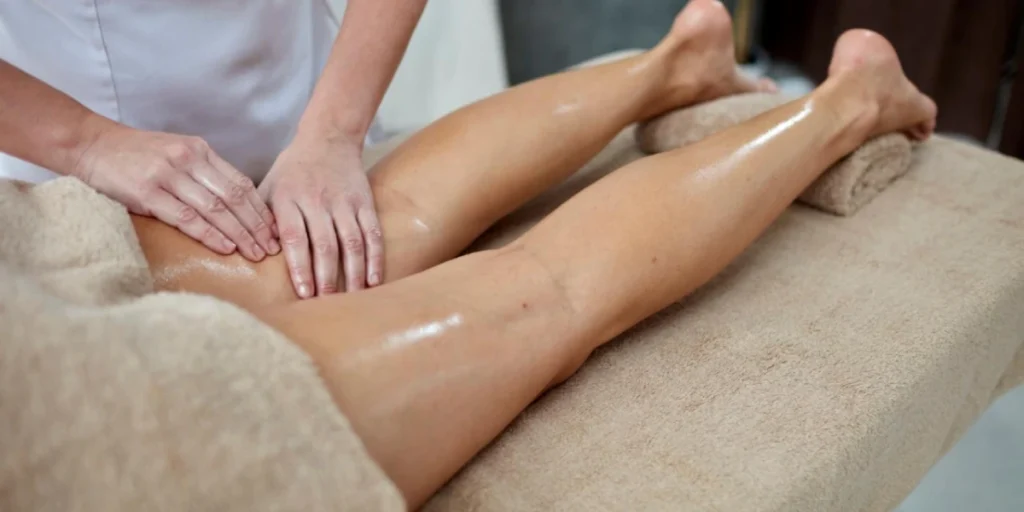
What About Swollen Lymph Nodes in the Neck?
Feeling a small lump beneath your jaw is unsettling, and the internet rarely helps. In the great majority of cases, it’s a node doing exactly what it’s meant to do during an infection. Occasionally it’s something that needs a doctor’s assessment, and knowing the difference brings real peace of mind.
Why Do Lymph Nodes in the Neck Swell?
Because they’re filtering something. Colds and flu, throat and ear infections, dental problems, and scalp infections account for the overwhelming majority.
Those nodes are usually tender; they move slightly under your fingers, and they settle on their own within a couple of weeks as you recover.
Can You Drain Swollen Lymph Nodes Yourself?
No, and this is the correction most advice about how to treat swollen lymph nodes in the neck naturally badly needs. Massage won’t empty an infected node, because the swelling comes from immune cells gathering there rather than fluid sitting still.
Rest, fluids, and a warm compress are all sensible. Never press directly on a tender node.
When Should You See a Doctor?
Mayo Clinic advises seeing a healthcare professional if swollen nodes appear for no known reason, keep growing or have lasted two to four weeks, feel hard or rubbery, don’t move when pushed, come alongside fever, night sweats, or weight loss, or sit in your armpit.
Difficulty swallowing or breathing calls for immediate care.
Lymphatic System Diagram: How Lymph Flows Through the Body
A diagram makes this clearer than description can, because lymph travels in one direction only.
Fluid seeps out of your blood capillaries into the surrounding tissue. Lymphatic capillaries absorb whatever the blood doesn’t reclaim. Vessels carry it onward through one-way valves, lymph nodes filter it, and the subclavian veins near your collarbones return it to your bloodstream.
That final step is the reason every drainage sequence begins at the neck. You clear the exit before guiding anything toward it.
Lymphatic Drainage vs. Lymphatic Detox vs. Lymph Cleanse
These terms get used interchangeably online, though they mean quite different things:
| Term | What people usually mean | What it actually refers to |
|---|---|---|
| Lymphatic drainage | Getting fluid moving | Normal lymph movement, or techniques that assist it |
| Manual lymphatic drainage | A specialized massage | A defined, light-pressure technique used clinically for swelling |
| Lymphatic detox | Removing toxins from lymph | Wellness terminology, with no standardized treatment behind it |
| Lymph cleanse | A reset or flush | No established protocol that cleanses nodes or vessels |
None of this means the techniques don’t work. Manual lymphatic drainage has decades of clinical use behind it and does exactly what it claims, which is move fluid. The distance is between the technique itself and the language that has grown up around it, and knowing the difference simply helps you choose well.
When Should You NOT Try Lymphatic Drainage at Home?
Cleveland Clinic lists several situations in which lymphatic drainage massage should be avoided: a suspected blood clot or DVT, cellulitis or any active infection, congestive heart failure, kidney disease, and active cancer without clearance from your oncologist.
It’s also wise to wait if you have a fever, sudden one-sided swelling, or any lump you haven’t had examined.
A Simple Daily Lymphatic Support Routine
Knowing how to prepare for a lymphatic massage can help you feel more comfortable before your session.
Morning: a glass of water, five diaphragmatic breaths, two minutes at the neck and collarbones, and a short walk.
Through the day: stand every 30 to 60 minutes, water with meals, and ankle pumps whenever you’ve been sitting a while.
Evening: gentle stretching, legs raised for ten minutes, and a consistent bedtime.
Monthly: a professional session, which pairs beautifully with a scalp and head spa treatment.
Frequently Asked Questions
These are the questions that come up most often, including a few whose answers are less exciting than people hope. If you’ve skipped ahead to this section, the daily routine above already covers most of what follows.
How do you detox lymphatic system naturally?
Support the flow rather than chasing a cleanse. Daily movement, deep breathing, steady hydration, and gentle drainage techniques.
How do you drain your lymphatic system naturally?
Walking, swimming, and stretching all create the muscle-pump action that moves lymph along. Breathwork and light self-massage build on it.
How do you flush your lymphatic system naturally?
There’s no literal flush. In practice, it means movement, hydration, breathing, and light drainage strokes done consistently.
How do you unclog your lymphatic system?
Elevate the swollen area, keep moving, and stroke lightly toward the nearest healthy nodes. Anything persistent or one-sided needs assessment.
Does lymphatic drainage massage work?
For swelling, whether post-surgical, post-flight, or lymphedema-related, yes. As a whole-body detox, no.
Can you do lymphatic drainage at home?
Yes, in a simplified form. Very light pressure, starting at the neck, stopping if anything feels uncomfortable.
What are the best herbs for lymphatic detox?
Cleavers, echinacea, dandelion, and red clover are the traditional choices. Long histories, little clinical evidence, and a few interactions worth checking.
What is a lymphatic drainage drink?
Usually water with lemon, ginger, or cucumber. Hydration genuinely helps fluid balance, but no drink drains lymph on its own.
How do you know if your lymphatic system is clogged?
Puffiness, heaviness, or tightness in a limb, skin that dents when pressed, and rings that fit differently by evening.
How do you drain lymph fluid from your legs?
Rest with your legs above heart level, do ankle pumps, wear compression if it’s been prescribed, and stroke lightly from ankle toward groin.
Final Takeaway
Your lymphatic system isn’t broken and doesn’t need rescuing. It asks for movement, and it responds to gentle pressure.
The habits that support it are quiet ones. Walk a little more, breathe a little deeper, drink water, sit less. And when you’d rather have a real mechanism than a promise, manual lymphatic drainage is the technique that genuinely moves fluid.
If evening heaviness or morning puffiness sounds like your experience, a trained therapist can usually tell within a single session whether drainage work suits you. Serenity Head Spa offers lymphatic drainage massage in Springfield, VA, and Rockville, MD, including facial, full-body lymphatic drainage, and stomach lymphatic drainage sessions.
Book a lymphatic drainage session and see how your body responds.