
Therapeutic vs deep tissue massage: what’s the real difference? Which one is right for you? If you have ever felt a stiff neck or a stubborn knot in your back, you have probably thought about getting a massage. Both styles offer relief. But they work in different ways.
Many people mix up therapeutic and deep tissue massage. The names sound the same. But each style helps with different needs. Picking the right one can help you feel lighter and happier. Choosing wrong can leave you wishing you had tried something else.

What Is Therapeutic Massage?
Therapeutic massage is a broad term. It does not mean only one technique. Instead, it is about using massage to solve a specific problem. The main goal isn’t just for you to relax. The goal is better health and to fix what’s wrong.
Before your session, your therapist will ask you where it hurts. Are you recovering from an injury? Do you get headaches all the time? The therapist adjusts the session to focus on your needs.
What Are Common Therapeutic Massage Techniques?
Your therapist may use several techniques. They might start with gentle, long strokes called effleurage. This warms up your muscles. Next, they may knead or use small circles with their hands.
Pressure will change during the session. Some spots need a light touch. Others might need more pressure. It depends on what your body feels that day. The goal is to help your soft tissue move better. This relieves pain and helps you feel more flexible. If you need a massage for muscle tension relief, this is a great choice.
What Is A Deep Tissue Massage?
Deep tissue massage is much more focused. It targets the deeper layers of your muscles. It also works on the tough tissue around them called fascia.
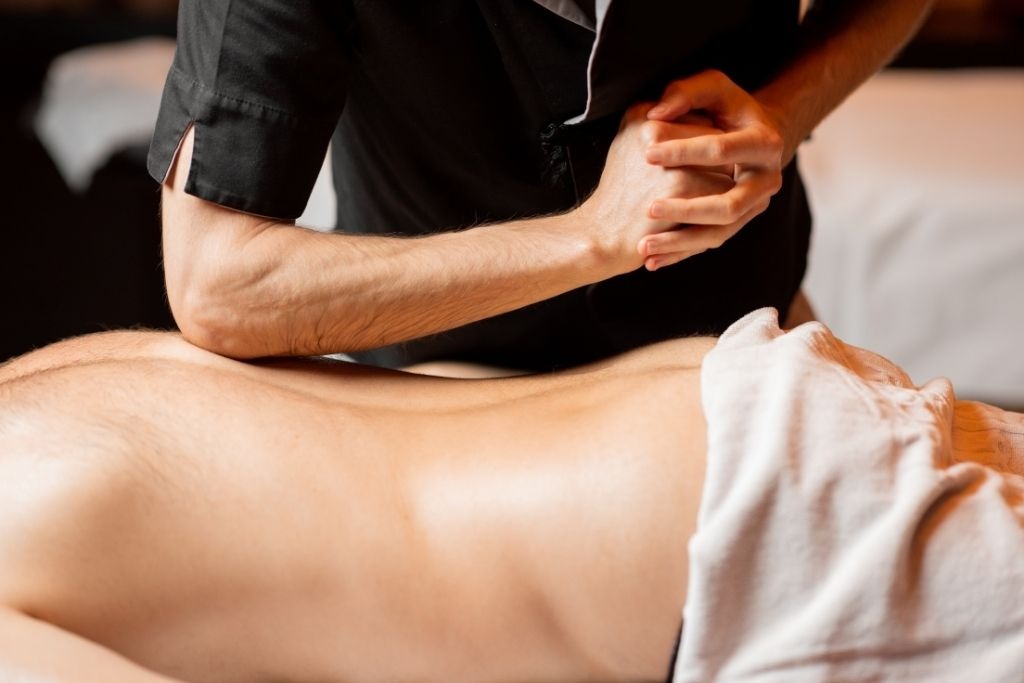
The therapist uses slow, firm strokes. The pressure is much stronger. They are not trying to help you fall asleep. They want to break down tough knots and scar tissue. Their goal is to help you release muscle tension that has built up over time.
“Deep” does not always mean “hard.” It means that the therapist works slowly and with care. If they are too fast, your muscles might tense up and push back.
What Are the Benefits of Deep Tissue Massage?
Deep tissue work is powerful. The benefits of deep tissue massage go far beyond just feeling good while you’re on the table. Many people with long-term pain choose this type.
People like deep tissue massage for several reasons:
- Breaks up scar tissue. It helps muscles heal the right way after you get hurt.
- Reduces chronic pain. Works well for stiff necks, tight backs, and sore shoulders.
- Lowers blood pressure. The body relaxes, and your heart rate can improve.
- Improves posture. Loosened muscles help you sit and stand straight.
How Does the Pressure Differ Between the Two?
Here’s the big difference for most people. With therapeutic massage, pressure shifts. Sometimes the therapist uses a gentle touch, especially on sore spots. Other times, they go a bit deeper. The whole idea is comfort and relief, not pain.
Deep tissue is not always comfortable. Sometimes you feel pain, but not sharp pain—just a strong ache. This is what people call “good pain.” It happens if your muscles are tight in one spot. You should never feel pain that makes you hold your breath or grind your teeth. Speak up if the pressure goes too far. Good communication is always important in professional massage therapy.
Which Massage Style Is Best for Stress Relief?
If your main goal is to relax, therapeutic massage is usually better. It calms your nerves. The soft, steady strokes help your body release hormones that make you feel happy. Most people leave these sessions feeling calm and free.
Deep tissue massage releases tension as well, but in a different way. It helps with built-up physical stress. The session might feel intense. You might not drift off to sleep because you need to focus on how your body reacts. If you just want to de-stress, stick with therapy.
Can These Massages Help with Injury Recovery?
Yes, each one helps, but at a different time.
Therapeutic massage is perfect for new injuries. It gets more blood flowing to the spot that hurts. Fresh blood brings oxygen and nutrients that help your body heal. This style can also ease swelling and help you get flexible again.
Deep tissue is better if your injury is old. After the swelling goes down, you might get painful lumps called adhesions. Deep tissue massage breaks these up. It helps you regain normal movement.
Therapeutic vs Deep Tissue Massage: How Do I Decide?
Still on the fence? Here’s an easy guide.
Choose Therapeutic Massage if:
- You have general aches or soreness.
- You want to relax or feel less stressed.
- You are new to massage or don’t like a lot of pressure.
- You are getting over a mild injury and need gentle care.
Choose Deep Tissue Massage if:
- You have pain that won’t go away.
- Your muscles are stiff and hard to move.
- You are healing after tough workouts or sports.
- You want deep, firm pressure to work out knots.
| Aspect | Therapeutic Massage | Deep Tissue Massage |
| Purpose | General relaxation and addressing mild issues | Targeting deep muscle layers and chronic tension |
| Techniques | Gentle strokes, kneading, and light pressure | Slow, firm strokes with focused pressure |
| Pressure | Varies from light to moderate | Strong and consistent, may cause “good pain” |
| Best For | Stress relief, mild aches, and new injuries | Chronic pain, stiff muscles, and old injuries |
| Benefits | Promotes relaxation, improves flexibility, and reduces stress | Breaks up scar tissue, reduces chronic pain, and improves posture |
| Ideal Candidates | Beginners, those seeking relaxation, or mild injury recovery | Athletes, individuals with chronic pain, or tough knots |
Conclusion
Understanding the difference between therapeutic and deep tissue massage can help you care for yourself. One is not better than the other. Each one does something special. Sometimes your body needs a gentle hand. Sometimes you need deep, strong pressure to feel like yourself again.
Pay attention to your body. Choose a therapeutic massage when you feel tired or fragile. Go for deep tissue if your muscles are stiff and sore. Looking after your physical health is always worth it.
If you want a personal and relaxing massage, visit Serenity Head Spa. We will help you find the right balance and leave you feeling refreshed.
Frequently Asked Questions (FAQs)
1. Will I be sore after a deep tissue massage?
Most people do feel sore for a day or two. It is like muscle soreness after a tough workout. Drinking plenty of water after helps your body recover.
2. How often should I get a therapeutic massage?
This depends on your needs and your budget. If you want to relax, once a month is good. If you have a problem, your therapist may ask you to come more often at first.
3. Is deep tissue massage safe for everyone?
No, not everyone should get this type. If you have blood clots, take blood thinners, or have certain skin problems, avoid it. People in early pregnancy should also skip it. Talk to your doctor and tell your therapist about any health problems.
4. Can I ask for deep pressure during a therapeutic massage?
Yes, you can. Ask for more pressure on the spots that bother you. A good therapist will adjust how much pressure they use so you are comfortable.
5. What should I do before my appointment?
Drink water and stay hydrated. Don’t eat a heavy meal just before. A warm shower can relax your muscles before the massage.