
Release trauma held in the body begins with awareness, not action. Trauma does not knock. It settles quietly. It hides in tight shoulders, shallow breath, restless sleep. Many people try to think their way out of pain. The body does not respond to logic. It responds to safety.
The first step is acknowledging what you feel without resisting it. Slow down. Notice where tension lives. Name the emotion without judgment. Fear, grief, anger all are signals, not flaws. When you allow the feeling to exist, the nervous system softens. This moment of recognition creates space. Space is where healing starts.
What Happens When Trauma Begins to Release
When trauma starts to leave the body, change feels subtle at first. Muscles soften without effort. Breath slows on its own. The body feels lighter, even if emotions rise.
Some people notice warmth or gentle shaking. Others feel deep fatigue, then relief. Emotions may surface unexpectedly. Sadness. Anger. Calm. All are signs of release, not regression.
The nervous system shifts out of survival mode. Safety becomes familiar again. The body no longer needs to stay guarded.
This process is not dramatic for everyone. It is often quiet. Steady. Real. Healing unfolds as the body learns it no longer has to hold the past.
When to Seek Professional Support
Sometimes, trauma release on your own can feel overwhelming. If symptoms physical, emotional, or mental become too intense, professional guidance is crucial. Trauma-trained therapists provide safety, structure, and expertise that self-guided practices cannot.
Seek support if you notice:
- Persistent anxiety or panic
- Sleep that feels unrestful or interrupted
- Physical pain without a clear medical cause
- Intense emotional swings or flashbacks
- Difficulty managing daily life
A qualified therapist can tailor approaches such as EMDR, somatic therapy, or trauma-informed yoga to your needs. Ask about their training, experience, and approach. A good fit matters as much as the therapy itself.
Professional support is not a sign of weakness, it is a strategic step toward safety, healing, and reclaiming control over your body and mind.
The Journey of Healing from Trauma
Healing from trauma is not a straight line. It is a journey with ups, downs, and quiet breakthroughs. Some days feel heavy, others light. Progress is measured over time, not in single moments.
Consistency is key. Small daily practices breathwork, gentle movement, journaling, or meditation accumulate into lasting change. Checking in with your body and mind helps you notice subtle shifts: less tension in the shoulders, slower heart rate, calmer thoughts.
Patience is essential. Trauma release takes time because the body has held onto protection for so long. Allow yourself to move at your own pace. Celebrate small victories. Every moment of awareness, every breath of calm, is evidence your body is learning it no longer needs to carry the past.
Healing is ongoing. With support, presence, and gentle practice, the body and mind gradually reclaim safety, freedom, and resilience.
Daily Practices to Maintain Trauma Release
Once trauma begins to release, daily routines help the body stay regulated and prevent old tension from returning. Small, intentional habits can make a big difference over time.
Start with mindful breathing each morning. Even five minutes of slow, deep breaths signals safety to the nervous system. Gentle stretching or short walks keep muscles relaxed and circulation flowing.
Check in with your emotions regularly. Journaling, voice notes, or talking with a trusted friend can help process feelings before they build up. Prioritize rest, hydration, and nutrition—your body needs care to integrate release.
End your day with stillness. Sit quietly, notice sensations, and allow thoughts to drift without judgment. These daily practices strengthen mind-body connection, reinforce safety, and support ongoing trauma healing.
Find Calm and Healing at Serenity Head Spa
Releasing trauma from the body is a journey, and having a safe space to support that process can make all the difference. Serenity Head Spa offers expert care designed to relax your mind, soothe tension, and restore balance to your body.
From gentle scalp massages to guided relaxation therapies, each treatment helps release stored stress, calm the nervous system, and improve overall well-being. It’s more than a spa, it’s a sanctuary for your body and mind to reset and heal.
Take the first step toward a calmer, freer you. Book your session at Serenity Head Spa today and experience the benefits of holistic trauma release and total relaxation.
Why Choose Serenity Head Spa for Trauma Release
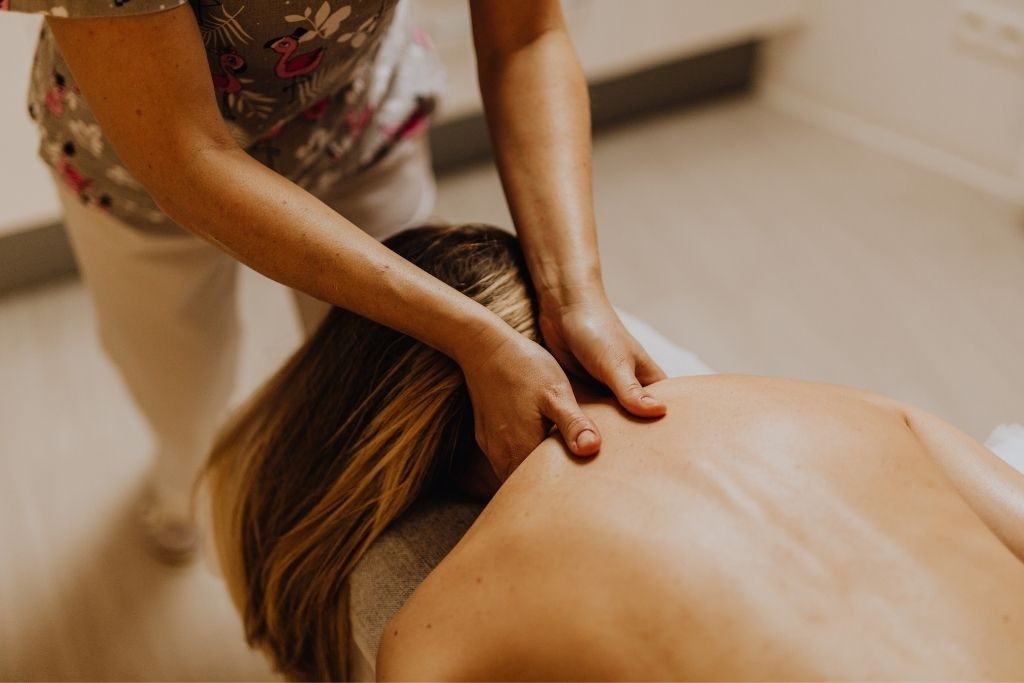
At Serenity Head Spa, every treatment is designed to care for both your body and mind. Our experienced therapists focus on releasing tension where trauma often hides—scalp, neck, shoulders, and upper back. At the same time, they promote relaxation throughout your whole body.
We use a trauma-informed approach. Gentle touch, mindful techniques, and a soothing environment create a safe space for healing. Whether you want relief from stress, muscle tension, or emotional overwhelm, our therapies help regulate your nervous system and improve overall well-being.
Self-care here is more than a spa visit. It is a step toward reclaiming control, restoring balance, and reconnecting with your body. Schedule your appointment at Serenity Head Spa today and start your journey to deep relaxation and healing.

Frequently Asked Questions About Trauma Release
1. How do I know if trauma is stored in my body?
Trauma often shows up as chronic tension, tight muscles, headaches, restless sleep, or unexplained pain. Emotional spikes, anxiety, or feeling “on edge” can also be signs. Paying attention to your body’s signals is the first step to awareness.
2. Can I release trauma on my own, or do I need a therapist?
Some trauma can be gently released through mindful movement, breathwork, or journaling. For deeper or overwhelming trauma, a trauma-trained therapist provides safety, guidance, and techniques to support lasting healing.
3. How long does trauma release take?
Healing is different for everyone. Some people notice changes in days; for others, it may take months. Focus on consistent practice and small daily steps rather than a set timeline.
4. What types of therapies help with body-based trauma healing?
Effective therapies include EMDR, somatic therapy, trauma-informed yoga, EFT, and internal family systems (IFS). These approaches target stored tension in the body and support emotional regulation.
5. Can massage or spa treatments really help with trauma?
Yes. Trauma-informed massage and spa therapies help relax muscles, improve circulation, and signal safety to the nervous system. Gentle touch combined with mindful techniques can support both physical and emotional release.