
Relaxation massage is a popular way to relieve stress and tension. It helps the body unwind, muscles loosen, and the mind feels calm. People often feel lighter, more focused, and refreshed after a session.
This type of massage uses specific techniques to target muscles, improve circulation, and promote overall well-being. Each method works differently but together they create a deep sense of relaxation.
In this guide, we explore the main techniques used in a relaxation massage. You will learn how each technique works and how it benefits your body and mind.
What Are Relaxation Techniques?
Relaxation techniques help the body and mind reach calm. When used with massage, they make the treatment more effective. They reduce stress, ease muscle tension, and improve emotional well-being.
Breathing Techniques
- Deep breathing slows the heart rate.
- Calms the nervous system.
- Reduces stress.
- Releases muscle tension.
Focusing on slow, deep breaths during a massage helps muscles relax. The body enters a calmer state, and the mind feels peaceful.
Progressive Muscle Relaxation (PMR)
- Tense and relax different muscle groups.
- Increase body awareness.
- Reduce muscle tightness.
- Enhance massage effects.
PMR trains the body to let go of tension. It improves flexibility and boosts the relaxation benefits of massage.
Meditation & Mindfulness
- Focus on the present moment.
- Reduce mental distractions.
- Enhance awareness of body sensations.
Meditation and mindfulness help quiet the mind during a massage. They increase focus on body sensations, making relaxation deeper and longer-lasting.
Guided Visualization
- Imagine peaceful scenes, like beaches or forests.
- Shift focus from stress.
- Promote inner calm.
- Improve overall relaxation.
Guided visualization uses mental images to reduce stress. Thinking about calm settings helps the mind relax and enhances the massage therapy experience.
How Massage and Breathing Exercises Enhance Relaxation
Breathing exercises can improve the effects of a massage. Deep, slow breaths help the nervous system calm down.
During a massage, breathing deeply lowers heart rate and reduces blood pressure. This allows muscles to relax more easily.
Combining massage with breathing exercises creates a stronger relaxation response. The body feels calmer, tension decreases, and overall well-being improves.
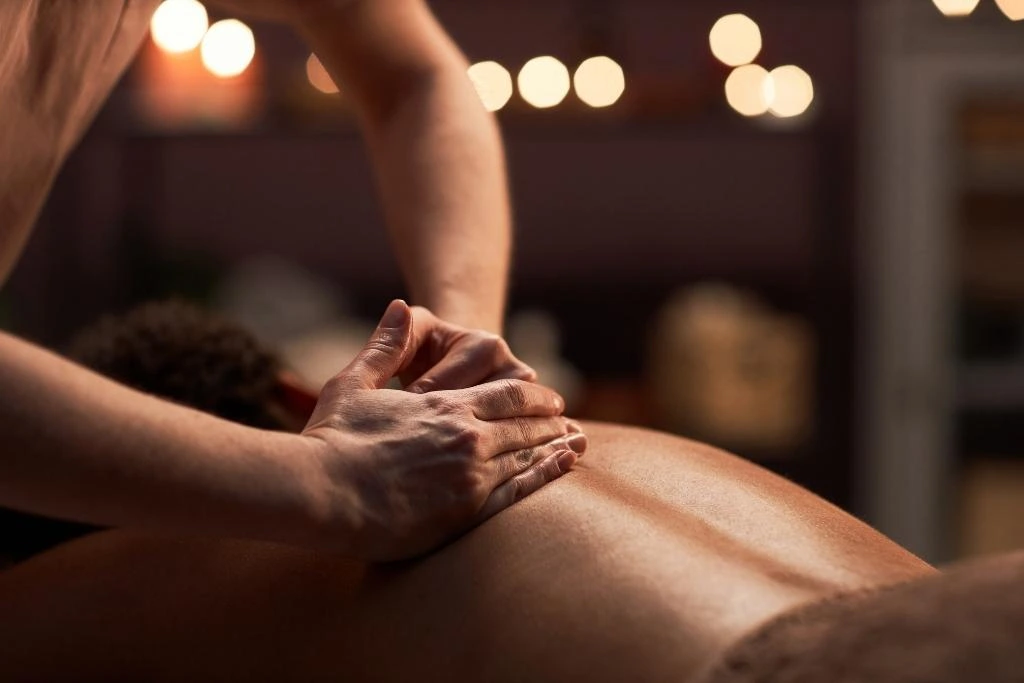
Who Should Be Careful?
Relaxation massage is safe for most people. However, some individuals need to take precautions.
Pregnant women, people with severe osteoporosis, heart problems, or certain injuries should consult a doctor first.
Always discuss your health history with your massage therapist. This ensures the session is safe and effective.
What Types of Massage Are Mainly Used for Relaxation?
Several types of massage techniques are commonly used to promote relaxation. These include:
- Swedish Massage: Known for its long, flowing strokes, Swedish massage is great for reducing muscle tension and improving circulation.
- Aromatherapy Massage: Using essential oils, this massage can help soothe the mind and body, promoting emotional well-being.
- Hot Stone Massage: Heated stones are used to relax muscles and improve blood flow, creating a deeply calming experience.
- Shiatsu Massage: This Japanese technique uses finger pressure to release tension and stimulate energy flow in the body.
These techniques are designed to reduce stress, relax muscles, and promote overall relaxation.
Benefits of a Relaxation Massage
Relaxation massage provides many benefits for the body and mind. It helps reduce tension, ease stress, and improve overall well-being.
Key benefits include:
- Stress Relief: Massage relaxes muscles and calms the nervous system, helping the body release tension. Stress levels drop, and the mind feels calmer.
- Improved Mood: Massage triggers the release of endorphins, serotonin, and dopamine. These natural chemicals improve mood and reduce anxiety.
- Better Sleep: Relaxed muscles and a calm mind make it easier to fall asleep and stay asleep. Massage can help fight insomnia caused by stress.
- Pain Reduction: Massage loosens tight muscles and improves blood flow. This can reduce chronic pain, headaches, and muscle soreness.
- Enhanced Flexibility: Regular massage reduces stiffness and improves range of motion. It helps the body move more freely and comfortably.
How Can Relaxation Massage Relieve Stress and Tension?
Relaxation massage helps the body release stress. Gentle massage strokes calm muscles and encourage the release of feel-good hormones.
It reduces the body’s fight-or-flight response. The parasympathetic nervous system activates, helping the body relax naturally.
Benefits for stress and tension include:
- Lower heart rate
- Reduced blood pressure
- Decreased muscle tension
- Enhanced sense of calm and well-being
The combination of soothing massage and natural hormone release creates deep relaxation. Regular sessions help the body manage stress and tension more effectively.
Conclusion
Relaxation massage is a simple and effective way to reduce stress, ease muscle tension, and improve mental well-being.
Techniques like deep breathing, progressive muscle relaxation, and guided visualization help the body release tension. They also lift mood and restore balance.
Whether you need to unwind after a long day or manage daily stress, relaxation massage provides both physical and emotional benefits.
At Serenity Head Spa, we offer a variety of relaxation massage services to meet your needs. Our skilled therapists focus on delivering a calm, soothing experience.
Book your appointment at Serenity Head Spa and enjoy the full benefits of relaxation massage for your body and mind.
Frequently Asked Questions
Q. What is a relaxation massage and how does it work?
A relaxation massage is a gentle therapy for muscles and soft tissues. It reduces tension, improves circulation, and calms the mind.
Q. How does a relaxation massage help with stress?
Massage lowers stress hormones and activates the body’s relaxation response. It slows heart rate, eases muscle tension, and boosts mood.
Q. Can beginners safely try relaxation massage?
Yes. Relaxation massage is gentle and suitable for beginners. Therapists adjust pressure to your comfort level.
Q. What techniques are used during a relaxation massage?
Common techniques include Swedish massage, deep breathing, progressive muscle relaxation, hot stone therapy, and guided visualization.
Q. How often should I get a relaxation massage?
It depends on stress levels. Weekly sessions work well for high stress. Bi-weekly or monthly sessions help maintain calm and flexibility.
Q. Can relaxation massage improve sleep?
Yes. Relaxed muscles and a calm mind make it easier to fall asleep and stay asleep. Massage can reduce insomnia caused by stress.
Q. Who should be cautious before getting a massage?
Pregnant women, people with injuries, heart problems, or chronic conditions should consult a doctor first. A licensed therapist can adjust techniques safely.
Q. Can relaxation massage help with headaches or body pain?
Yes. It eases tension in the neck, shoulders, and back. Improved circulation and muscle relaxation reduce pain and stiffness.
Q. Can I combine relaxation massage with other wellness practices?
Yes. Deep breathing, meditation, or gentle stretching during or after massage can enhance relaxation and long-term benefits.
Q. What should I expect during my first session?
You will have a short consultation. The therapist customizes the massage to your needs. Sessions usually last 60–90 minutes. Most people leave feeling calm, relaxed, and refreshed.