
Stress affects millions of people every day. It can cause headaches, fatigue, and muscle tension. It can also make sleep difficult and affect mood. Finding ways to reduce stress is important for both body and mind.
Full body massage is one popular way to relax and relieve tension. Many people report feeling calmer and more energized after a session. But does it really help with stress? Here, we explore how a full body massage can improve physical and mental well-being.
You will learn the benefits, techniques, and tips to get the most out of your massage. You can see if this method can help transform your outdoor space, backyard, or daily routine into a stress-free oasis.
What Is a Full Body Massage?
A full body massage is a therapy that works on muscles, joints, and soft tissues. It covers the entire body, including back, legs, arms, shoulders, and neck. The goal is to release tension and improve blood flow.
Different techniques are used depending on needs. Swedish massage uses long, gentle strokes to relax muscles. Deep tissue massage targets tight areas with firm pressure. Aromatherapy adds calming scents to enhance relaxation.
Sessions usually last from 60 to 90 minutes. Some therapists add stretching or hot stones to improve flexibility and comfort. A full body massage is more than just relaxation, it helps the body recover from stress, fatigue, and everyday strain.
How Stress Affects the Body and How Massage Can Help
Stress impacts both the body and mind. It triggers physical tension, affects sleep, and can make focusing on daily tasks difficult. Over time, untreated stress may lead to long-term health problems.
Physical Effects of Stress:
- Muscle tension, especially in the neck, shoulders, and back
- Increased heart rate and blood pressure
- Shallow breathing, reducing oxygen flow
- Headaches, fatigue, and body aches
- Slower digestion, causing stomach discomfort
Sleep and Mental Effects:
- Difficulty falling asleep or staying asleep
- Waking up tired or unrested
- Anxiety, irritability, and mood swings
- Trouble focusing and feeling overwhelmed
Long-Term Risks:
- Higher risk of heart disease and high blood pressure
- Weakened immune system
- Chronic fatigue or burnout
How a Full Body Massage Helps:
- Releases muscle tension and stiffness
- Improves blood flow and oxygen delivery
- Reduces heart rate and lowers stress hormones
- Boosts mood and promotes mental clarity
- Supports better sleep and eases headaches
A full body massage relaxes the body and calms the mind. Regular sessions can help reduce stress, improve overall health, and create a sense of calm and balance in daily life.
How Does Massage Improve Mental and Emotional Well-Being?
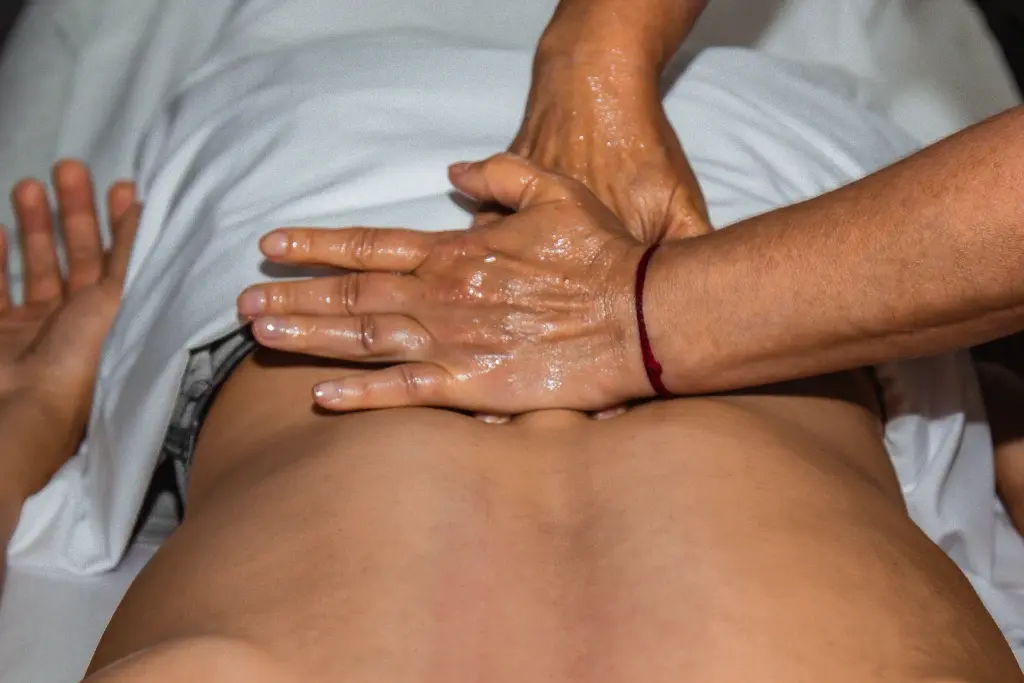
Massage helps the mind as much as the body. It lowers stress hormones, like cortisol, that make you feel anxious or tense. At the same time, it increases feel-good chemicals, such as serotonin and dopamine, which boost mood.
Some key mental and emotional benefits include:
- Reduced anxiety and irritability
- Improved focus and mental clarity
- Calmer, more balanced emotions
Many people feel calmer and less stressed after a session. Massage gives the mind a break from daily worries and mental strain.
Even a single massage can create relaxation that lasts for hours. Regular massage helps maintain emotional balance and supports overall mental health.
Physical Benefits of Full Body Massage for Stress Relief
Massage helps the body relax. It improves blood flow. Oxygen and nutrients reach the muscles more easily. Tension and pain decrease. Cortisol, the stress hormone, lowers. Endorphins, the body’s natural pain relievers, increase.
Massage also improves flexibility. Tight muscles loosen. Risk of injury drops. Recovery becomes faster. Regular massage helps the body handle stress. You feel more relaxed and balanced.
Key physical benefits:
- Improved Circulation: Blood flows better. Tissues get oxygen and nutrients. Toxins flush out.
- Muscle Tension Relief: Tight muscles relax. Stress-related discomfort reduces.
- Pain Reduction: Pain eases, especially in shoulders, back, and neck.
- Better Sleep: Relaxed muscles help the body rest. Sleep improves.
Mental Benefits of Full Body Massage for Stress Relief
Massage also helps the mind. Anxiety decreases. Mood improves. Serotonin and dopamine, feel-good chemicals, increase. The mind feels calm. Focus improves. Emotional balance strengthens.
Regular sessions support a clearer state of mind. They help you cope with stress better.
Key mental benefits:
- Mood Enhancement: Mood lifts. Anxiety and stress reduce.
- Cognitive Clarity: Mind clears. Focus improves. Emotional stability grows.
- Emotional Comfort: Touch creates a sense of care. Mental strain decreases.
Which Massage Techniques Are Best for Stress Relief?
Different massage techniques work in unique ways to reduce stress. Choosing the right type depends on your needs and comfort level.
Some of the most effective stress-relief techniques include:
- Swedish Massage: Uses long, gentle strokes to relax muscles and calm the mind.
- Deep Tissue Massage: Focuses on tight muscles and knots to release tension.
- Aromatherapy Massage: Combines massage with calming essential oils for mental relaxation.
- Hot Stone Massage: Uses heated stones to warm muscles and reduce stiffness.
- Reflexology: Applies pressure to specific points on hands and feet to relieve stress.
Each technique helps the body and mind in different ways. Many people combine methods to maximize relaxation and improve overall well-being.
How Often Should I Get a Massage to Manage Stress Effectively?
The frequency of massage depends on your stress levels, lifestyle, and budget. Some people benefit from weekly sessions, while others see results with once-a-month visits.
For high stress or tension, a weekly massage can help maintain relaxation and reduce muscle tightness. For mild stress, a bi-weekly or monthly session may be enough to stay calm and focused.
Regular massage helps your body and mind adapt to stress. Even short sessions can make a noticeable difference in mood, energy, and overall well-being.
When Should I Consult a Professional Massage Therapist for Stress Relief?
You should see a professional if stress affects your daily life. Difficulty sleeping, constant tension, or frequent headaches are signs to get help.
Consult a massage therapist if you have injuries, chronic pain, or medical conditions. They can customize massage to keep you safe and effective.
Professional guidance ensures proper technique. It reduces risk of injury. Sessions target problem areas and provide maximum stress relief.
Even if stress is mild, occasional professional massage can support relaxation. It helps prevent tension from building and keeps your body and mind balanced.
What Should I Expect During a First Full Body Massage Session?
Your first session starts with a short consultation. The therapist asks about stress, pain, or medical conditions. They use this to customize the massage for your needs.
You will lie on a massage table. Some areas may be covered with a sheet or towel. The therapist uses hands, oils, or tools to massage muscles. Pressure adjusts to comfort level.
The session usually lasts 60 to 90 minutes. You may feel relaxed, calm, or slightly tired afterward. Drinking water helps flush out toxins and prevent soreness.
Most people feel immediate relief from tension. Regular sessions improve results. You also learn what techniques work best for your body and stress levels.
FAQ – Full Body Massage for Stress Relief
Q. How does a full body massage reduce stress?
Massage relaxes tight muscles and improves blood flow. This lowers cortisol, the stress hormone. At the same time, it increases serotonin and dopamine, which boost mood. The combined effect helps both body and mind feel calmer.
Q. How often should I get a massage for stress relief?
Frequency depends on stress levels and lifestyle. People with high stress often benefit from weekly sessions. Mild stress can be managed with bi-weekly or monthly sessions. Regular massage keeps muscles loose, tension low, and mood stable.
Q. Can massage help with anxiety or emotional strain?
Yes. Massage calms the nervous system and reduces physical tension that fuels anxiety. People often feel more focused, less irritable, and emotionally balanced after a session. Regular sessions support long-term mental well-being.
Q. Which massage types work best for stress relief?
Several techniques are effective:
- Swedish Massage: Gentle strokes relax muscles and reduce mental stress.
- Deep Tissue Massage: Targets tight areas to release deep tension.
- Aromatherapy Massage: Essential oils enhance calm and focus.
- Hot Stone Massage: Warm stones relax muscles and improve circulation.
Each method helps in unique ways, and a combination can maximize stress relief.
Q. Can massage improve sleep?
Yes. Relaxed muscles and reduced tension allow the body to rest properly. Regular massage therapy can help with insomnia or restless sleep caused by stress. People often notice deeper, more refreshing sleep after consistent sessions.
Q. Is massage safe for everyone?
Most people benefit from massage. Those with injuries, chronic pain, or medical conditions should consult a professional therapist. The therapist can adjust techniques and pressure for safety while still providing stress relief.
Q. How long does it take to feel benefits from a massage?
Many people feel relief immediately after a session. Muscle tension eases, mood lifts, and mental clarity improves. Long-term benefits build with regular sessions, including reduced stress, better sleep, and improved overall wellness.
Q. What should I expect during my first session?
The session begins with a short consultation. The therapist asks about stress, pain, and medical history. You lie on a massage table while the therapist works on your muscles using oils, hands, or tools. Pressure is adjusted to comfort. Sessions usually last 60–90 minutes. Most people leave feeling relaxed, refreshed, and more balanced.
Q. Can massage help with physical pain caused by stress?
Yes. Stress often causes tension in the neck, shoulders, and back. Massage loosens these muscles, reduces discomfort, and improves circulation. Over time, it can prevent pain from building up and support better posture and flexibility.
Q. Are there ways to enhance stress relief between sessions?
Yes. Simple routines like stretching, deep breathing, meditation, or light self-massage can extend the benefits. Drinking water, resting, and gentle movement after a session also help the body recover faster.
Conclusion
Full body massage can help reduce stress. It relaxes muscles, eases pain, and improves circulation. It also supports mental and emotional well-being.
Regular sessions can improve mood, focus, and sleep. Massage helps the body handle tension and stress better.
Whether you try it for the first time or schedule regular sessions, professional massage can become part of a healthy routine. It creates a calm, balanced, and refreshed body and mind.