

Life today feels busy and stressful. Long work hours, screen time, and daily pressure often cause muscle pain, poor sleep, and mental fatigue. A full body massage offers a simple way to relax, release tension, and reset the body and mind.
A full body massage is a wellness treatment that works on the entire body. It helps relax muscles, improve blood flow, and calm the nervous system. Many people choose massage as a natural form of self-care.
In this blog, you’ll learn the main benefits of a full body massage, what to expect during a session, and average costs.
With millions of people using massage therapy each year, full body massage is no longer a luxury. It is a practical way to manage stress and support overall health.
What Is a Full Body Massage?
A full body massage is a treatment that works on most of the body. It includes the back, neck, shoulders, arms, legs, hands, and feet. Private areas stay covered. Therapists use smooth strokes, kneading, and pressure to ease tension and relax muscles.
Massage has a long history. Ancient Chinese and Egyptian cultures used it for healing. Swedish massage later shaped the techniques used in modern spas.
Full body massage covers the entire body, giving total relaxation and balance. Key techniques often used include:
- Effleurage: long, gliding strokes to warm muscles
- Petrissage: kneading to release tight areas
- Friction: steady pressure on knots
- Tapotement: light tapping to stimulate muscles
- Vibration: gentle shaking to calm tissues
A trained therapist provides the safest and most effective massage. Home massage can help with relaxation, but care is needed to avoid strain or injury.
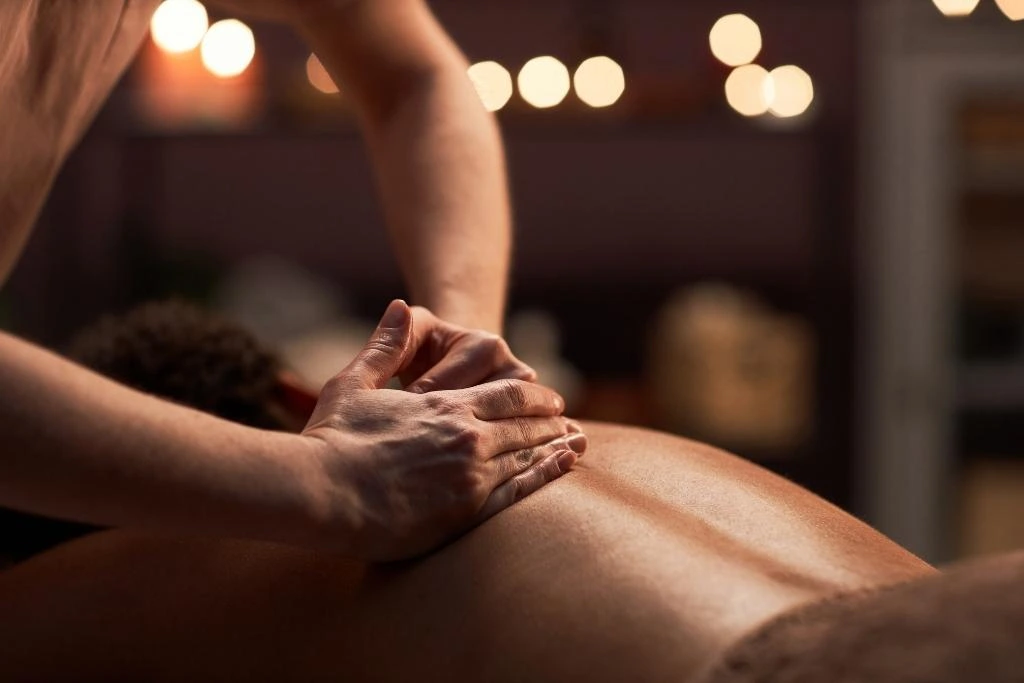
Benefits of Full Body Massage
Full body massage helps the body and mind feel better. It relaxes muscles, improves circulation, and eases tension. Regular sessions can boost overall health, mood, and energy.
Physical Benefits
- Muscle Relaxation and Pain Relief: Full body massage eases tight muscles, reduces stiffness, and relieves chronic pain in the back, neck, and shoulders.
- Improved Circulation: Massage stimulates blood and lymph flow, delivering nutrients and oxygen to muscles and tissues while removing waste and toxins.
- Boosted Immune Function: Studies show massage lowers cortisol, the stress hormone, and increases white blood cell activity.
- Better Sleep Quality: Relaxation from massage calms muscles and the nervous system.
- Skin Health: Oils and lotions hydrate the skin, improve elasticity, and provide gentle exfoliation. Circulation at the skin surface increases, resulting in soft, healthy skin.
- Posture and Mobility: Regular massage reduces tension, balances muscles, and increases joint flexibility. Alignment improves, movement becomes smoother, and range of motion expands.
Mental and Emotional Benefits
- Stress and Anxiety Reduction: Massage lowers stress hormones and increases endorphins and serotonin. Physical tension decreases, and mental strain reduces, supporting calm and resilience.
- Mood Enhancement: Sessions improve emotional balance, decrease depression symptoms, and promote overall calm. Many people feel refreshed and mentally stable after a session.
- Mindfulness and Relaxation: Focusing on breathing and body sensations encourages a meditative state. Awareness increases, the mind settles, and deep relaxation occurs.
- Cognitive Improvements: Calmed nervous systems and reduced tension enhance focus, mental clarity, and problem-solving ability. Alertness and sharp thinking improve following a session.
Holistic and Long-Term Benefits
- Overall Wellness: Full body massage complements exercise, healthy eating, and stress management. Regular sessions help maintain balance, reduce tension, and support long-term health.
- Support for Specific Conditions: Massage can ease symptoms of fibromyalgia, arthritis, migraines, and chronic muscle tension. Doctor consultation is recommended for serious conditions.
- Evidence-Based Support: AMTA and NIH studies show massage lowers cortisol, reduces muscle pain, and improves sleep, mood, and immune function.
- Potential Drawbacks: Mild soreness or fatigue may occur. Rare risks include bruising or worsening injuries. Licensed therapists minimize these risks.
What to Expect During a Full Body Massage
Before the Session
- Booking and Preparation: Look for a reputable spa or therapist using reviews and certifications like NCBTMB.
- Health Intake: Fill out forms detailing medical history, allergies, and personal preferences.
- What to Wear/Bring: Undress to comfort level with proper draping. Stay hydrated and avoid heavy meals.
- Setting Expectations: Sessions typically last 60–90 minutes in a calm space with dim lighting, soft music, and optional aromatherapy.
During the Session
- Step-by-Step: Begins with a short consultation. Massage covers back, legs, arms, neck, and scalp, usually in prone or supine positions.
- Communication: Speak up about pressure, discomfort, or focus areas for a safe and effective session.
- Sensory Experience: Oils glide over muscles, warmth relaxes tissue, and techniques target tension sequentially.
- Variations: Swedish massage uses gentle, flowing strokes; hot stone adds heat to relax muscles further.
After the Session
- Immediate Effects: Most people feel relaxed, calm, and slightly lightheaded. Drinking water helps prevent soreness and supports recovery.
- Aftercare Tips: Light activity, hydration, and rest improve benefits. Avoid alcohol and heavy meals for a few hours to allow the body to reset.
- Follow-Up: Track results over time and schedule sessions to maintain benefits. Regular massage supports long-term physical and mental well-being.
- Red Flags: Persistent soreness, bruising, or unusual pain may require medical advice. Licensed therapists minimize risks with proper technique.
Types of Full Body Massages
Full body massages offer different styles to meet various needs. Some focus on gentle relaxation, while others relieve deep muscle tension or provide massage therapy for specific conditions.
Swedish Massage
Gentle, flowing strokes relax muscles and calm the mind. Ideal for beginners or anyone seeking light tension relief.
Deep Tissue Massage
Targets deeper layers of muscle to relieve chronic pain, stiffness, and tight knots. Pressure is firmer and focused.
Hot Stone Massage
Heated stones placed on muscles add warmth, relax tissue, and allow deeper penetration of massage techniques.
Aromatherapy Massage
Essential oils enhance relaxation, mood, and sensory experience while supporting therapeutic benefits.
Thai or Shiatsu Massage
Active styles that combine stretching, acupressure, and rhythmic movements to improve flexibility and energy flow.
Specialized Options
Tailored sessions include pregnancy, sports, or couples massage. Techniques adapt to specific needs while covering the full body.
Choosing the Right Type
Consider personal goals, pain tolerance, and any health conditions when selecting a massage style. A licensed therapist can recommend the best option.
Cost of Full Body Massage
Full body massage prices vary widely. Costs depend on where you go, how long the session lasts, the therapist’s experience, and extra services added on. Typical ranges help you plan and budget for regular sessions.
Factors Influencing Cost
- Location: Prices in major cities and high‑cost areas tend to be higher than in smaller towns or rural locations. Urban spas may charge more due to higher rent and local demand.
- Therapist Experience: Licensed and highly trained therapists usually charge more than entry‑level practitioners or large chains. More experience can mean higher rates.
- Session Length and Add‑Ons: Longer sessions (90+ minutes) cost more than standard 60‑minute appointments. Extras such as aromatherapy, hot stones, or specialty techniques also add to the price.
- Venue Type: Spas, clinics, mobile services, and hotel treatments all differ in price. Mobile visits may include travel fees, and luxury spa settings often charge at the top of the range.
- Frequency Packages: Many places offer discounts for packages or memberships that reduce per‑session cost when booked in advance.
Average Costs
- U.S. Average: Standard full body massage ranges roughly $60–$150 for a 60‑minute session. Longer sessions (90 minutes) may cost $90–$200+, depending on location and extras.
- Tipping Etiquette: Tipping is common in many settings. A typical guideline is 15–20% of the base cost, though some spas may include a service charge.
- Insurance and Coverage: Some medically recommended massage therapy may qualify for HSA/FSA use or partial insurance coverage, especially when prescribed by a doctor for pain or injury.
- Hidden Fees: Ask about taxes, facility fees, travel surcharges, or cancellation policies when booking. These can affect the final price.
Tips for Affordability
- Budget‑Friendly Options: Look for deals through wellness apps, group discount sites, student clinics, or independent therapists with lower overhead.
- Value Assessment: Compare prices with the quality of experience and benefits. More frequent sessions may improve health and reduce other medical costs over time.
- DIY Alternatives: Self‑massage tools, foam rollers, or partner massage can offer some relief at low cost. These help maintain muscle health between professional sessions.
Who Should Get a Full Body Massage? (Contraindications and Considerations)
Full body massage benefits many people, from those with stress or sedentary lifestyles to athletes and anyone seeking relaxation and better circulation. Safety is important, and certain conditions may require caution.
- Ideal Candidates: People with stress, muscle tension, or sedentary routines; athletes; anyone wanting relaxation or improved circulation.
- Precautions: Blood clots, fractures, infections, recent surgeries, and some chronic illnesses may make massage unsafe without medical approval.
- Special Populations: Pregnant women, older adults, and clients with special needs can receive massage with adapted techniques and pressure.
- Consulting Professionals: Doctors should be consulted for underlying or serious health conditions to ensure safety and prevent complications.
- Inclusivity: Many spas and therapists provide body-positive, accessible environments, welcoming all body types, abilities, and genders.
Massage can improve physical and mental well-being for most people, but safety and personalization are key. Adapting techniques, consulting professionals, and using inclusive, body-positive practices ensures a safe, effective, and enjoyable experience for everyone.
Conclusion
Full body massage offers wide-ranging benefits for both body and mind. It relaxes muscles, improves circulation, reduces stress, and supports emotional well-being. Different techniques and styles allow personalization based on needs, health conditions, and comfort levels.
Regular sessions can enhance sleep, boost mood, and improve flexibility, posture, and overall wellness. Safety, proper technique, and professional guidance ensure the best results, especially for those with special conditions or health concerns.
Incorporating full-body massage into a wellness routine is more than a luxury. It is a practical way to maintain balance, manage stress, and support long-term physical and mental health.