

Have you ever left a deep tissue massage feeling unexpectedly emotional? You might think it’s just about sore muscles, but sometimes it’s about more than that. Your body and mind are connected, and a deep tissue session can unlock feelings you didn’t know were there.
Here’s why it happens:
- Release of built-up tension: Deep pressure loosens tight muscles. This can trigger stored emotions.
- Stress relief: Massage lowers stress hormones like cortisol. Your body relaxes, and emotions can surface.
- Endorphin rush: Feeling good chemicals can make you more sensitive to emotions.
- Pain and memory connection: Sometimes muscles hold memories of past stress or trauma. Releasing them can bring tears.
- Nervous system reset: Deep tissue massage can calm your nervous system, making you feel vulnerable and emotional.
Crying after a massage is normal. It’s your body processing tension and emotions at the same time.
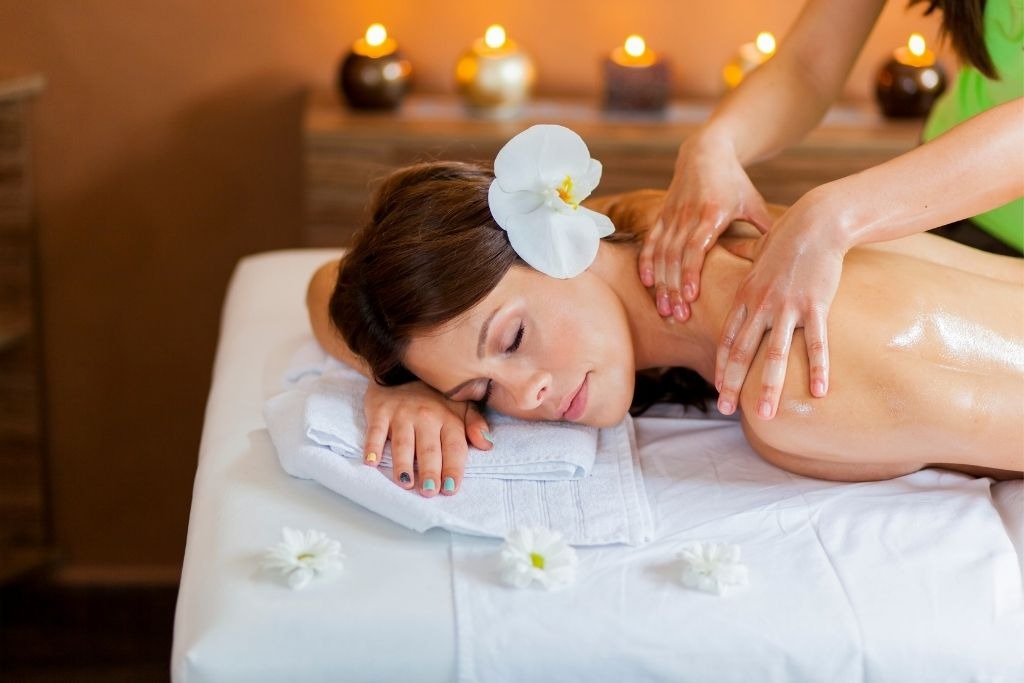
What Happens in Your Body During a Deep Tissue Massage
Deep tissue massage is not just about muscle pain. It works on layers of muscle and connective tissue that hold tension. When pressure is applied, your body reacts in several ways:
- Muscle release: Tight muscles start to relax. This can feel intense or even a little painful.
- Increased blood flow: Massage improves circulation. Oxygen and nutrients reach your muscles.
- Toxin release: Deep pressure can help flush out waste from your muscles. This can sometimes make you feel emotional or tired.
- Nervous system response: Your body switches from “fight or flight” to “rest and digest.” This calming effect can make emotions surface.
- Hormone changes: Stress hormones drop while feel-good chemicals like serotonin and oxytocin rise. This shift can trigger tears.
Your body is releasing both physical and emotional tension. That’s why deep tissue massage can feel like an emotional workout as well as a physical one.
Why Emotions Come Up After a Deep Tissue Massage
It’s normal to feel emotional after a deep tissue massage. Your body stores stress and tension in muscles. When those muscles loosen, it can release buried feelings.
- Stored memories: Muscles can hold memories of stress, trauma, or anxiety. Massage can unlock them.
- Emotional release: Tears are a natural way for your body to release tension. Crying helps you feel lighter and calmer.
- Feeling vulnerable: Deep pressure relaxes your nervous system. You may feel more open and sensitive.
- Stress letting go: As stress hormones drop, your emotions can flow more freely. You might feel relief, sadness, or even joy.
Crying isn’t a sign that something is wrong. It’s a sign that your body and mind are releasing what they no longer need.
How to Handle Emotions After a Deep Tissue Massage
Feeling emotional after a massage is normal. Here’s how to take care of yourself:
- Give yourself time: Don’t rush back into work or busy tasks. Sit quietly or take a short walk.
- Hydrate: Drink plenty of water to help flush out toxins released from your muscles.
- Rest if needed: Your body just went through a deep release. A short nap or relaxing activity can help.
- Reflect on your feelings: Journaling or talking to someone you trust can help process emotions.
- Be gentle with yourself: Crying or feeling emotional doesn’t mean weakness. It means your body is healing.
Listening to your body after a massage is important. Treat your mind and muscles with care, and you’ll get the full benefits of the session.
When to Talk to a Professional
Most emotional reactions after a deep tissue massage are normal. But sometimes it helps to get advice from a professional.
- Intense or prolonged emotions: If sadness, anxiety, or other feelings last for days, consider talking to a therapist.
- Severe pain or discomfort: Deep tissue massage can cause soreness, but sharp or worsening pain should be checked by a doctor.
- Underlying health conditions: If you have a medical condition, let your doctor know before getting a deep tissue massage.
- Repeated emotional triggers: If certain massages consistently bring up strong memories or feelings, a professional can guide you safely.
A professional can help you process emotions and ensure your massage experience is safe and positive.
Takeaways: Crying After a Deep Tissue Massage
Crying after a deep tissue massage is normal and can be healthy. It shows your body is releasing tension. It also shows your mind is letting go of built-up stress and emotions.
- It’s a sign of release: Tears mean your muscles and emotions are relaxing.
- Listen to your body: Take time to rest, hydrate, and reflect.
- Emotional healing is part of physical healing: Feeling lighter or calmer after a session is a good sign.
- Trust the process: Everyone responds differently. Some people feel emotional, others just feel relaxed.
Remember, a deep tissue massage works on both your body and mind. Allow yourself to feel, release, and recover. Your session is not just about muscles—it’s about overall wellness.
Tips to Get the Most from Your Deep Tissue Massage
To make your massage experience more effective and reduce unexpected emotional reactions, follow these tips:
- Communicate with your therapist: Tell them about sore spots, injuries, or past experiences. This helps them adjust pressure safely.
- Breathe deeply: Slow, deep breaths help your body relax and release tension more easily.
- Stay hydrated: Drinking water before and after a session helps flush out toxins from your muscles.
- Stretch gently afterward: Light stretching can keep your muscles loose and reduce soreness.
- Schedule wisely: Avoid booking a massage right before stressful events. Give yourself time to process the session.
- Pay attention to your emotions: It’s okay to cry, laugh, or feel vulnerable. A massage can bring up feelings you didn’t know were there.
Following these steps can help you feel physically and emotionally balanced after a deep tissue massage.
Experience Emotional and Physical Release at Serenity Head Spa
Crying or feeling emotional after a deep tissue massage is completely normal. It shows your body is releasing tension and your mind is letting go of stress. At Serenity Head Spa, our trained therapists guide you through every step of the massage, ensuring both your muscles and emotions are cared for.
- Safe and relaxing environment: Feel comfortable expressing your emotions.
- Personalized sessions: Deep tissue techniques tailored to your body’s needs.
- Holistic wellness: Leave feeling lighter, calmer, and more balanced.
If you want to experience the full benefits of a deep tissue massage, from emotional release to physical relaxation, book your session at Serenity Head Spa today and let your body and mind unwind.
FAQs About Crying After a Deep Tissue Massage
1. Is it normal to cry during or after a massage?
Yes. Crying is your body’s way of releasing built-up tension and emotions. It doesn’t mean something is wrong.
2. Can a deep tissue massage make me emotional even if I’m not stressed?
Absolutely. Even if you feel calm, deep pressure can unlock stored muscle tension that carries hidden emotions.
3. Will I always feel emotional after a deep tissue massage?
Not always. Everyone’s body reacts differently. Some feel emotional, others just feel relaxed or lighter.
4. How long do the emotional effects last?
Usually a few hours to a day. Giving yourself time to rest, hydrate, and reflect can help you process feelings faster.
5. Can crying after a massage be harmful?
No. Tears are a natural part of emotional release. Just make sure to hydrate and rest if your body feels tired or sore.