
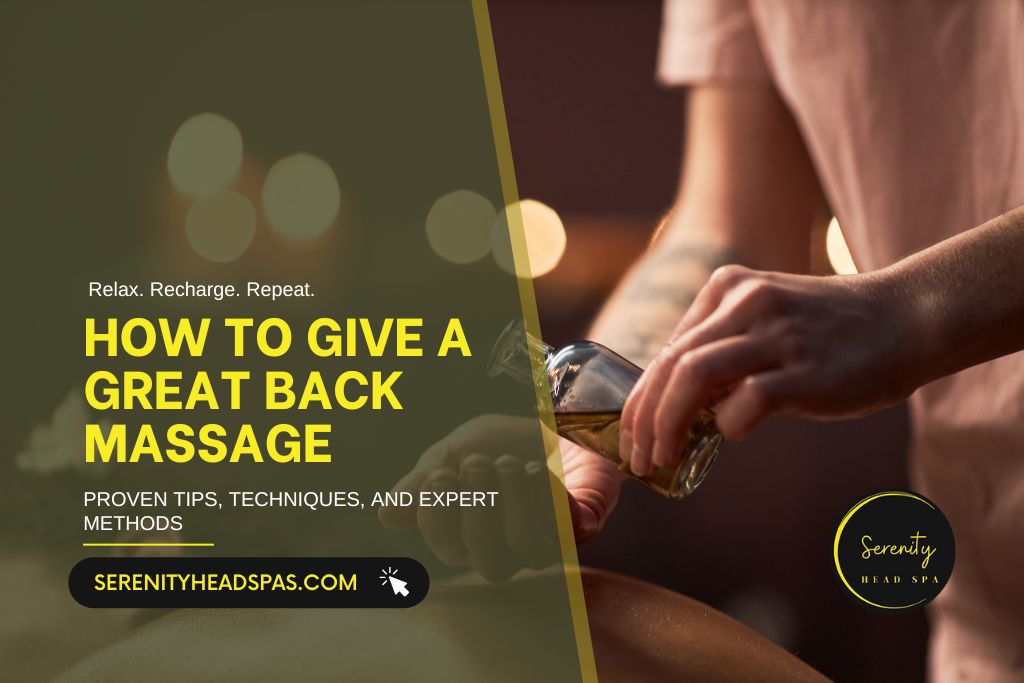
Back massages are a simple yet powerful way to relieve tension, improve circulation, and relax muscles. Many people wonder how to perform them effectively at home or in a professional setting.
The simple answer is yes, with proper techniques, anyone can give a safe and soothing back massage.
A well-executed back massage can not only relieve pain but also promote overall wellness, reduce stress, and improve flexibility.
In this guide, you will learn:
- Benefits of back massage
- Step-by-step techniques for beginners and advanced levels
- Tools and oils that enhance massage
- Safety tips and precautions
- Common mistakes to avoid
- How to adapt massage techniques for different needs
With the right approach, back massages can become a relaxing, restorative part of your daily routine.
What Are the Most Effective Back Massage Techniques for Beginners?
Learning a few basic movements can make a back massage more effective. Good massage relies on rhythm and steady pressure rather than strength. Beginners should start with simple strokes before trying more complex techniques.
Gentle Effleurage Strokes for Warm-Up
Long gliding strokes involve smooth, gentle movements across the back. This spreads massage oil, warms up muscles, and helps the person relax before deeper techniques. Hands should stay flat and follow the shape of the back.
Steps for Long Gliding Strokes:
- Start at the lower back and move your hands upward toward the shoulders.
- Keep your hands in contact with the skin at all times.
- Apply light to medium pressure on the upward stroke.
- Move your hands gently down the sides of the back to return to the starting point.
Using these strokes sets a steady rhythm and helps locate tense areas without causing pain. It ensures the person is comfortable before applying deeper pressure.
Light Kneading to Loosen Tight Muscles
Kneading, or petrissage, lifts and squeezes muscles gently. It is similar to kneading dough and helps improve blood flow. It works well on larger muscles like the shoulders and mid-back.
Steps for Light Kneading:
- Use palms and fingers to lift the muscle away from the bone.
- Squeeze gently and release in a rhythmic motion.
- Move slowly across the fleshy parts of the back.
- Avoid pinching the skin or pressing on the spine.
This technique targets specific areas of tension and brings fresh blood to stagnant muscles. Alternating hands keeps a smooth flow that feels soothing.
Slow Circular Motions for Full-Back Relaxation
Circular friction works deeper layers of muscle and is great for targeting knots. Use thumbs or fingertips to make small circles. Pressure should be firm but not painful.
Steps for Circular Motions:
- Place thumbs on either side of the spine, never directly on it.
- Press firmly and rotate thumbs in small outward circles.
- Work gradually from the lower back up to the neck.
- Adjust pressure depending on the muscle density.
Circular motions release tight spots with precision and turn a general rub into a therapeutic massage. This technique helps relieve deep tension and improves overall relaxation.
Can You Give Yourself a Back Massage?
Yes, self-massage is possible with the right tools and methods. Techniques like using a massage ball, foam roller, or even stretching can relieve tension in your back muscles.
Here’s what you need to know:
- Targeted Areas: Focus on the upper, middle, and lower back for maximum relief.
- Comfort: Use supportive surfaces such as a mat or a firm chair.
- Consistency: Regular sessions help reduce stiffness and improve flexibility.
- Limitations: Self-massage may not reach deep knots or trigger points, so professional help may be necessary for severe tension.
Self-massage is a convenient way to manage minor discomfort, while professional sessions can handle more complex muscle issues.
How Does Back Massage Relieve Pain and Stress?
Many people get back massages to reduce muscle tension and stress. Massage therapy helps in several ways:
- Improved circulation: Massage increases blood flow, which brings more oxygen and nutrients to tired muscles and helps them recover faster.
- Muscle relaxation: Targeted pressure loosens tight muscles and relieves knots, reducing stiffness and soreness.
- Nervous system response: Massage helps the body relax, lowers stress hormones, and calms the mind.
- Posture support: Relaxed muscles reduce strain and prevent pain caused by poor posture.
- Pain relief: Massage can lower discomfort from muscle tension or overuse, helping people move more easily.
- Mental benefits: Feeling less stressed and tense can improve focus, mood, and overall well-being.
Regular, safe massage can help relieve back pain, reduce stress, and support both physical and mental health.
Benefits of Regular Back Massage
Back massage is more than just relaxing. Regular massage can improve both the body and mind in many ways:
- Pain relief: Massage can reduce chronic or sudden back pain caused by stress, poor posture, or physical activity.
- Muscle relaxation: It eases tight muscles, knots, and trigger points, helping the back feel looser.
- Improved circulation: Massage increases blood flow, bringing oxygen and nutrients to muscles and tissues for faster recovery.
- Stress reduction: Gentle touch promotes relaxation and lowers stress hormones, helping the body feel calmer.
- Enhanced flexibility: Massage helps maintain better posture and a wider range of motion, reducing stiffness.
- Mental well-being: The calming effects of touch can reduce anxiety, improve mood, and help you feel more balanced overall.
Regular back massage can support long-term comfort, help prevent muscle problems, and make daily activities easier.
How Should You Prepare the Space for a Relaxing Back Massage?
Creating the right environment can make a back massage more effective and relaxing. A few simple steps can help:
- Choose a quiet space: Pick a room with minimal noise and distractions. This helps the person relax.
- Adjust the lighting: Soft, warm lighting or dimmed lights creates a calm atmosphere.
- Use a comfortable surface: A massage table, bed, or firm mat works best. Make sure it is padded and stable.
- Set the temperature: Keep the room warm so the person feels comfortable and muscles stay relaxed.
- Use massage oil or lotion: This reduces friction and makes strokes smoother.
- Play calming music: Gentle music or nature sounds can help the person feel more relaxed.
- Keep everything within reach: Have towels, oil, and any other tools nearby so you don’t need to leave during the massage.
A prepared space helps the massage feel peaceful, allows the muscles to relax, and makes the experience more enjoyable for both the giver and receiver.
Which Back Massage Techniques Help Reduce Muscle Tension Fast?
To relieve stiffness, focus on the erector spinae muscles along both sides of the spine. Apply steady, sliding pressure to loosen tight areas and reduce back pain.
Stripping is highly effective. Move your knuckles slowly along the muscle fibers. Stripping reaches deeper layers than long gliding strokes and releases stubborn knots. Check with the person to ensure the pressure is firm but not painful.
Sliding pressure combined with stripping quickly relaxes tight muscles and eases back tension.
Here’s a Grade 8–friendly, concise, and clear version of all your sections combined, keeping essential details and removing extra filler words:
How Can You Target Tight Areas Like the Neck, Shoulders, and Lower Back?
The neck and shoulders often hold stress. Work slowly in these areas. Press your thumbs into the top of the shoulders (trapezius), hold for a few seconds, then release. This helps trigger points relax.
For the lower back, avoid pressing directly on the kidneys or floating ribs. Focus on the thick muscles on either side of the spine. Use the heel of your hand to apply broad pressure, moving outward from the spine. These techniques target common areas of tension safely and effectively.
How Long Should an Ideal Back Massage Session Last?
A professional back massage usually lasts 30–45 minutes. This gives muscles time to warm up and relax. Beginners can start with 20-minute sessions to avoid fatigue.
Consistency is more important than time. A focused 20-minute session is better than an hour of aimless rubbing. Stop when the muscles feel soft and the person is relaxed.
What Mistakes Should You Avoid While Giving a Back Massage?
Safety is the top priority. Never press directly on the spine. Avoid massaging open wounds, bruises, or inflamed skin.
Move slowly, rushing can stress the nervous system instead of relaxing it. Keep your hands in contact with the back; abrupt removal breaks the flow and relaxation.
How Do You End a Back Massage for Maximum Calm and Relaxation?
Ending the massage correctly is as important as the beginning. Do not stop abruptly. Gradually lighten your pressure over the last few minutes. Return to the gentle effleurage strokes used at the start. This signals to the body that the session is concluding.
Once you finish the strokes, rest your hands gently on the upper back for a moment. This provides a sense of closure. Cover the recipient with a warm towel and allow them to rest for a few minutes. This rest period is crucial for maximizing the benefits of the back massage techniques used.
Experience True Relaxation With Serenity Head Spa
Mastering the art of massage takes practice and patience. Using these back massage techniques allows you to provide significant relief to friends or family. Proper positioning, effective strokes, and a calm environment are the keys to success. Whether you want to reduce pain or simply provide relaxation, these methods create a solid foundation.
For those seeking professional care, expert services are available. Serenity Head Spa offers advanced therapies tailored to your needs. Our specialists understand the intricacies of muscle relief and relaxation. Booking a session ensures a therapeutic experience that revitalizes both body and mind.