
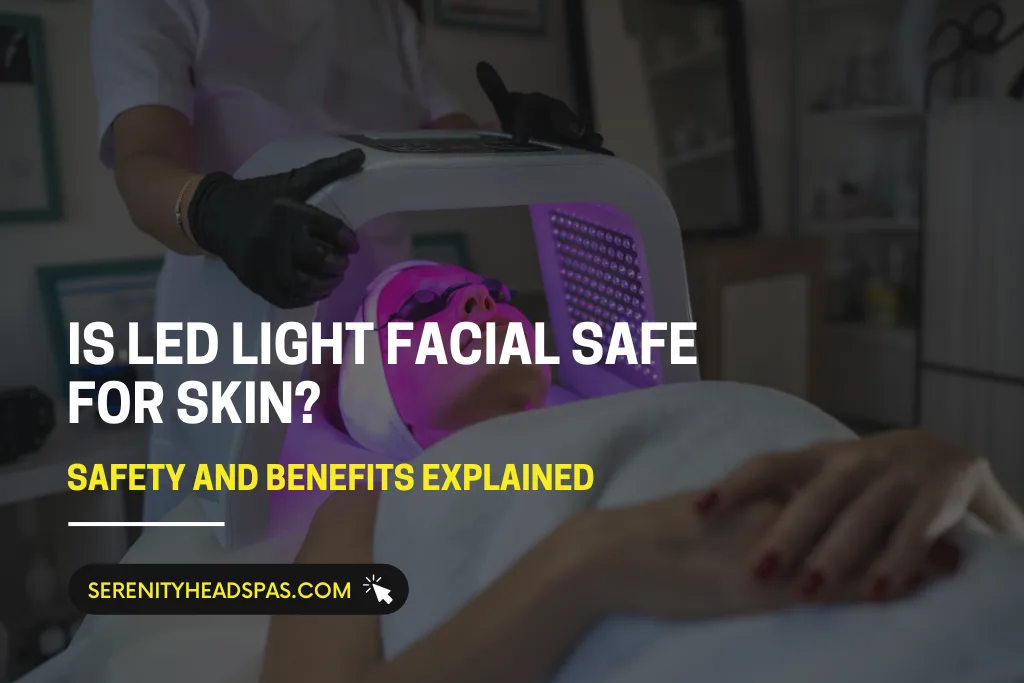
LED light facial therapy is a popular treatment for improving skin health. It uses different colors of light to target various skin concerns, such as acne, aging, and skin texture.
This guide will break down how LED light facials work, their safety for different skin types, and what to consider before trying them. Let’s dive into the details of this non-invasive treatment to understand its benefits and risks.
What is LED Light Therapy?
LED light therapy is an innovative technique that uses special light-emitting diodes (LEDs) to address various skin issues. The light comes in different colors, each targeting specific skin problems. For example, red light helps boost collagen and reduce wrinkles, while blue light is often used to treat acne by killing bacteria.
This therapy is non-invasive, so there are no needles or cuts involved. It is not only painless but also quick. As a result, many people find it appealing, especially those wanting to improve their skin without harsh treatments.
How Do LED Light Facials Work?
LED light facials can help you achieve clearer, healthier skin by using different colored lights to treat specific concerns. The device sits close to your skin so the light can be absorbed and start working. Red light encourages collagen production, which can smooth wrinkles and improve your skin’s texture. Blue light targets the bacteria that cause acne, helping prevent breakouts. Anti-aging facial treatments may also combine targeted techniques to address visible signs of aging.
The Facial treatment is easy and comfortable. You just sit back and relax while the light is used for about 20 minutes. There is no pain and you do not need any recovery time. For the best results, you might need several sessions based on your skin’s needs.
Is LED Light Therapy Safe for All Skin Types?
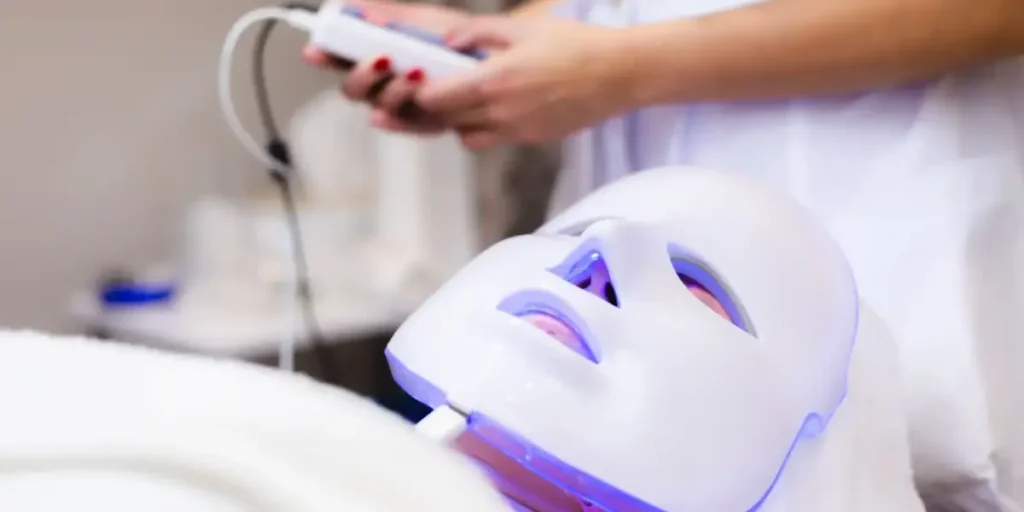
LED light therapy is safe for most skin types. It’s non-invasive, so there’s no risk of cuts or injections. Red and blue light treatments are gentle, making them suitable for sensitive skin. However, people with photosensitivity or those on medications that increase light sensitivity should consult a dermatologist before use.
If you have darker skin, make sure the treatment is appropriate for your skin type, as some devices may cause mild irritation. Always follow guidelines and consult a professional if unsure about your skin’s reaction.
What Role Does FDA Clearance Play in Device Safety?
Choosing an LED light device with FDA clearance is essential for safe and effective results. The Food and Drug Administration (FDA) approves devices only after rigorous testing for safety and effectiveness. The FDA reviews each device to ensure it meets strict guidelines and won’t cause harm when used as directed.
This clearance also shows that the device has been proven to work for its intended purpose, whether for skin rejuvenation or acne treatment. While FDA approval doesn’t guarantee a device is entirely risk-free, it ensures the device meets safety standards.
For example, a study by Dr. Susan M. Korman, a leading dermatologist, found that FDA-cleared LED devices improved skin texture and reduced acne without significant side effects. Always choose devices with FDA clearance to ensure quality and safety.
Substantial Equivalence:
Substantial equivalence allows new LED devices to gain approval by demonstrating that they are similar to existing devices already FDA-approved. This comparison helps ensure the new device does not introduce additional risks. New devices are compared to existing FDA-approved devices.
- Ensures safety by verifying similar functionality
- Speeds up approval for devices with proven safety
- Simplifies the regulatory process for manufacturers
- Helps maintain consistency across similar products
Substantial equivalence ensures that newer devices meet the same standards as previously approved products. This provides users with reassurance about the device’s safety and effectiveness.
Safety Assurance
Safety assurance ensures that LED devices are thoroughly tested before they are made available to the public. The FDA mandates that manufacturers conduct tests to confirm the devices are safe for use and won’t cause harm.
- Devices must pass rigorous safety tests.
- The FDA evaluates clinical trial data to ensure effectiveness.
- Devices must meet strict quality standards.
This process protects consumers from unsafe products and builds trust that only reliable, safe devices are on the market.
Regulatory Pathway:
The regulatory pathway outlines the process LED devices must follow to obtain FDA approval. Manufacturers are required to provide thorough testing and performance data to demonstrate the device’s safety and effectiveness.
- Testing is conducted to assess both safety and performance.
- Manufacturers must submit comprehensive documentation and clinical data.
- The FDA reviews all evidence before granting approval.
- Devices must clearly show that the benefits outweigh any potential risks.
- Manufacturers are required to meet detailed labeling guidelines.
This pathway ensures that only safe and effective devices reach the market, helping protect consumers from unsafe products.
Limitations:
Limitations outline the boundaries within which LED light devices are considered safe. These are important to ensure devices are used properly and do not cause harm when used incorrectly.
- Devices should not be used longer than recommended.
- Certain devices may not be suitable for sensitive skin.
- Overuse can lead to irritation or dryness.
- Not all devices work well for every skin concern.
- Some devices may cause temporary side effects.
Understanding these limitations helps users get the most out of their treatment while avoiding risks. Proper use is essential to ensure the device is both safe and effective. Avoiding common facial treatment mistakes can also help protect the skin and support safer results
Monitoring:
Monitoring ensures that LED devices continue to meet safety standards after they are sold. The FDA requires ongoing tracking of device performance to detect any issues that may arise over time.
- Post-market surveillance tracks device safety
- Manufacturers must report adverse effects and recalls
- FDA ensures any risks are addressed promptly
- Users are encouraged to report side effects
- Monitoring helps update safety guidelines as needed
Ongoing monitoring is vital for maintaining the safety of LED devices. It ensures any new risks are caught early, protecting users from potential harm.
What Are the Differences Between Red and Blue Light Safety?
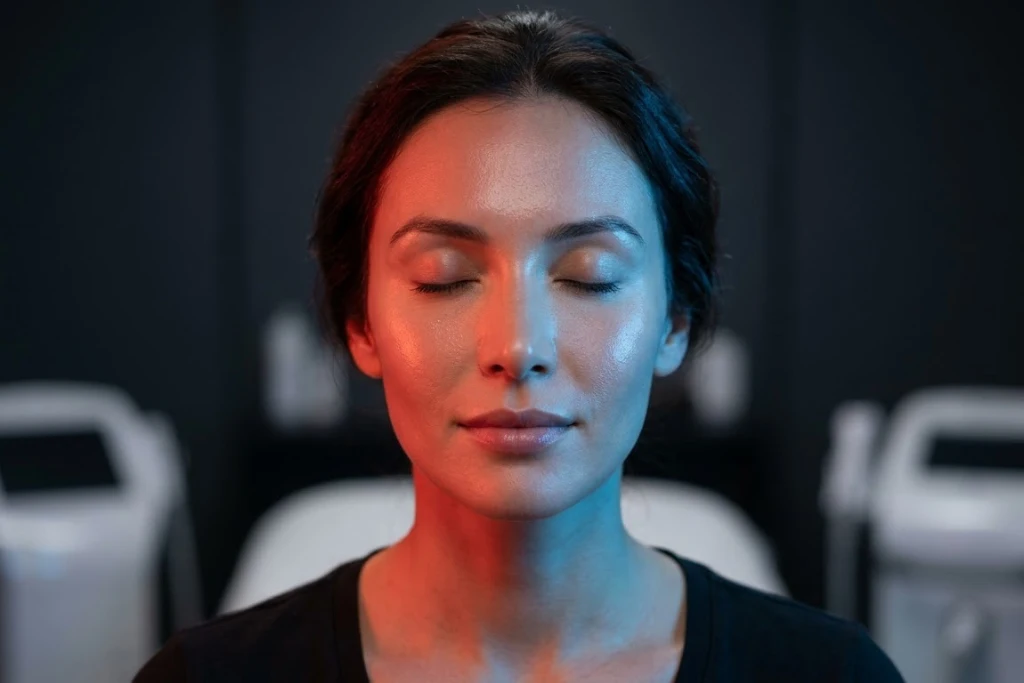
Red and blue light are the main types used in LED facials, each with distinct focuses and safety profiles. Red light goes deeper into the skin, promoting collagen production to reduce wrinkles. It’s safe for most skin types with minimal risk of side effects.
Blue light targets the skin’s surface to treat acne by killing bacteria. While safe for most, overuse can lead to irritation or dryness, especially for sensitive skin.
In short, both lights are effective and safe when used properly, but it’s important to choose the right one based on your skin type and treatment goals.
What Are the Common Side Effects of LED Light Therapy?
Most people find LED light facial treatment easy and comfortable, with only a few noticing mild redness, dryness, or irritation after treatment.
While these side effects are usually temporary and fade within a few hours, it’s important to follow treatment guidelines to avoid overexposure, which can lead to more serious issues like sensitivity or discomfort.
Why is Eye Safety Important?
Eye safety is crucial during LED light therapy because the bright lights can cause strain or damage to your eyes if exposed directly.
Even though the light is not harmful in small doses, prolonged exposure to intense light can lead to discomfort or long-term damage. Always wear protective eyewear during treatments to keep your eyes safe.
Who Should Avoid LED Light Therapy?
People with certain conditions should avoid LED light therapy. If you are pregnant, have photosensitive skin, or use medications that increase sensitivity to light, consult with a healthcare professional before starting treatments.
Individuals with active skin conditions like severe acne or skin cancer should also avoid LED therapy unless recommended by a doctor.
Comparison: Professional Treatments vs. At-Home LED Masks for Safety
| Aspect | Professional Treatments | At-Home LED Masks |
| Intensity | Higher intensity for faster, more noticeable results | Lower intensity for safer, gradual results |
| Supervision | Performed by trained professionals | Self-administered without professional guidance |
| Device Quality | FDA-approved, clinical-grade devices | Home-use devices, may vary in quality |
| Safety Measures | Controlled environment with protective measures | User must follow guidelines and wear eye protection |
| Risk of Overuse | Less risk due to professional monitoring | Higher risk of overuse if not following guidelines |
| Effectiveness | More immediate and effective | Requires more sessions for noticeable results |
| Cost | Higher cost per session | Lower initial cost but may require more treatments |
| Customization | Tailored to individual skin needs by a professional | Limited customization based on device settings |
What Are the Tips for Using LED Devices Safely at Home?
To use LED devices safely at home, follow these tips:
- Always read and follow the manufacturer’s instructions
- Limit your exposure to the recommended time
- Use the device at the proper distance from your skin
- Protect your eyes with safety goggles
- Start with a lower intensity to see how your skin reacts
Frequently Asked Questions (FAQ)
Can LED light therapy treat deep wrinkles?
While LED light therapy helps reduce fine lines and improve skin texture, it may not be as effective for deep wrinkles without additional treatments.
How often should I use LED light therapy?
Depending on your skin type and goals, using LED therapy 2-3 times per week is generally recommended.
Are there any risks with LED light therapy?
Risks are minimal, but improper use or overexposure can lead to irritation, dryness, or sensitivity. Always follow the recommended guidelines.
Final Thought
LED light therapy is a safe and effective way to improve your skin, but like any treatment, it’s important to follow guidelines and use it properly. Whether you choose professional or at-home treatments, make sure it’s right for your skin type and concerns.
For a personalized experience and expert guidance, consider visiting Serenity Head Spa, for hydrating facial treatments, deep cleansing facial, dry aging facial and other professional skincare services.Book your session today and glow with confidence!